HIP Replacement surgery has transformed the lives of millions of people suffering from severe hip pain, arthritis, and mobility problems. Thanks to modern surgical techniques and advanced implant technology, today’s HIP Replacement procedures are more durable, safer, and more effective than ever before.
One of the most common questions patients ask is:
How long does a HIP Replacement actually last?
The good news is that modern HIP Replacement implants can often last 20–25 years or even longer with proper care and lifestyle management. Many patients enjoy decades of pain-free movement and improved quality of life after surgery.
At Mr. Nikhil Pradhan’s Cheshire Hip and Knee Clinic patients receive advanced orthopaedic care using modern surgical approaches designed to improve mobility, reduce pain, and support long-term implant success.
What Is a HIP Replacement?
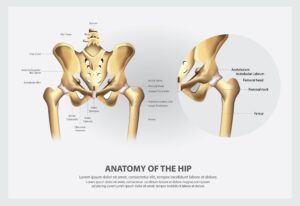
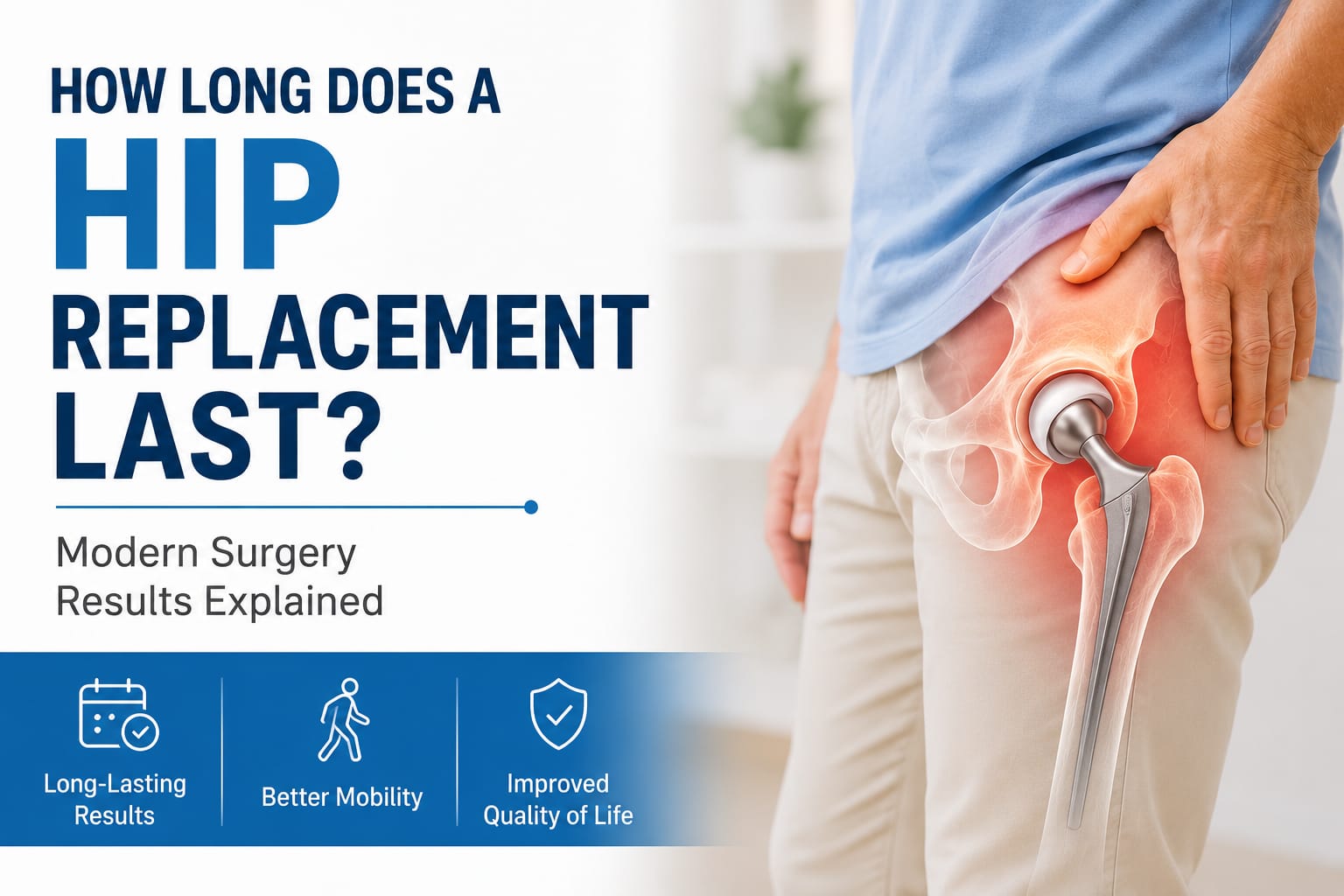
A HIP Replacement is a surgical procedure where the damaged hip joint is replaced with artificial implants designed to restore movement and eliminate pain.
The hip joint is a ball-and-socket joint. Over time, conditions such as osteoarthritis, rheumatoid arthritis, injury, or cartilage damage can wear down the joint surfaces, causing:
- Severe hip pain
- Stiffness
- Difficulty in walking
- Reduced mobility
- Sleep disturbance due to pain
In a Total HIP Replacement , the damaged portions of the hip are replaced with prosthetic components that allow smoother and pain-free movement.
How Long Does a Modern HIP Replacement Last?
Modern HIP Replacement implants are built to last significantly longer than older-generation implants.
Average Lifespan of Modern HIP Replacements
- 90–95% of HIP Replacements last 15–20 years
- Many implants now function well beyond 25 years
- Some patients maintain excellent implant performance for 30 years or more
Advancements in surgical precision, implant materials, and minimally invasive techniques have improved long-term outcomes dramatically.
Factors influencing implant lifespan include:
- Patient age
- Activity level
- Weight management
- Bone quality
- Implant type
- Surgical technique
- Rehabilitation quality
Choosing an experienced hip Replacement specialist in Cheshire can also play a major role in long-term implant success.
Why Modern HIP Replacement Results Are Better Today
Today’s hip Replacement surgery in Cheshire uses highly advanced techniques that improve precision, recovery and durability.
- Advanced Implant Materials
Modern implants may use:
- Ceramic-on-polyethylene (CoP)
- Ceramic-on-ceramic
- Highly cross-linked polyethylene
- Titanium alloys
These materials reduce friction and wear, helping implants last longer.
- Minimally Invasive Surgical Techniques
Modern minimally invasive approaches cause less muscle damage and can help patients recover faster with improved joint stability.
At the Cheshire Hip & Knee Clinic, minimally invasive hip replacement procedures are part of advanced orthopaedic care.
- Improved Surgical Planning
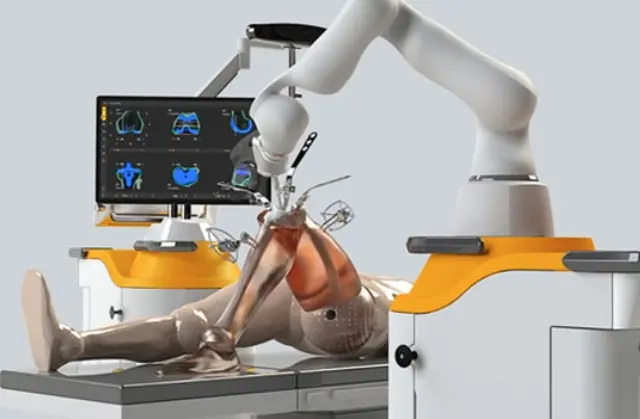
Advanced imaging, digital planning, and precision-based surgical techniques help surgeons position implants more accurately, improving implant longevity and patient outcomes.
- Better Rehabilitation Programs
Modern rehabilitation focuses on:
- Early mobility
- Strength rebuilding
- Physiotherapy-guided recovery
- Joint protection strategies
These improvements help patients regain independence faster after HIP Replacement surgery.
Who May Need HIP Replacement Surgery?
You may benefit from HIP Replacement if you experience:
- Persistent hip pain
- Difficulty walking or climbing stairs
- Hip stiffness
- Reduced quality of life
- Pain that interferes with sleep and daily activities
- Failure of medications or physiotherapy
Common causes include:
- Osteoarthritis
- Rheumatoid arthritis
- Hip injury
- Avascular necrosis
- Cartilage damage
At Cheshire Hip & Knee Clinic, the modern Total Hip Replacement Techniques can significantly improve mobility and daily comfort for suitable patients.
Signs Your HIP Replacement Is Functioning Well
A successful HIP Replacement typically allows patients to:
- Walk comfortably
- Return to daily activities
- Sleep with less pain
- Improve flexibility and movement
- Regain independence
- Enjoy better overall quality of life
Many patients return to low-impact activities such as:
- Walking
- Cycling
- Swimming
- Golf
- Light exercises
Patient recovery experiences shared on Patient Success Stories – Nikhil Pradhan highlight how modern HIP Replacement surgery can help restore active lifestyles.
What Can Shorten the Life of a HIP Replacement?
Although modern implants are highly durable, certain factors may reduce implant longevity:
- Excessive high-impact activities
- Obesity
- Poor bone health
- Infection
- Falls or trauma
- Implant loosening
- Smoking
Following your surgeon’s advice and attending regular follow-ups can help maintain long-term joint health.
Can a HIP Replacement Be Revised?
Yes. If an implant wears out, loosens, or develops complications, revision HIP Replacement surgery may be performed.
However, with modern implants and expert surgical techniques, many patients may never require revision surgery during their lifetime.
Recovery After HIP Replacement Surgery
Recovery varies between patients, but many individuals begin walking within days after surgery.
Typical Recovery Timeline
| Recovery Stage | Expected Timeline |
| Standing & Walking | Within 1–2 days |
| Reduced Pain | Within few weeks |
| Return to Daily Activities | 6–12 weeks |
| Full Recovery Improvement | Several months |
Physical therapy and guided rehabilitation are essential for achieving the best possible outcome after HIP Replacement surgery in Cheshire.
Why Choose an Experienced HIP Replacement Specialist?
The experience of the surgeon is one of the most important factors in achieving excellent long-term results.
Patients searching for the Best Hip Replacement Specialist in Cheshire often look for:
- Extensive orthopaedic experience
- Advanced surgical expertise
- Minimally invasive techniques
- Personalized treatment planning
- Strong rehabilitation support
Mr Nikhil Pradhan is recognised for advanced hip and knee replacement procedures and comprehensive patient-focused orthopaedic care.
Frequently Asked Questions (FAQs)
- Can a HIP Replacement last a lifetime?
In many older patients, modern HIP Replacement implants may last for the remainder of their lives, especially with proper care and moderate activity levels.
- What is the best age for HIP Replacement surgery?
There is no single ideal age. Surgery is recommended when hip pain significantly affects mobility and quality of life.
- Is walking good after HIP Replacement?
Yes. Walking is one of the best low-impact activities after recovery and helps strengthen muscles and improve joint function.
- How painful is HIP Replacement recovery?
Post-surgical discomfort is expected initially, but pain typically improves significantly within weeks as healing progresses.
- Can I return to sports after HIP Replacement?
Many patients return to low-impact sports and activities after recovery. Your surgeon will advise which activities are safest.
Conclusion
Modern HIP Replacement surgery offers excellent long-term outcomes, improved mobility, and significant pain relief for patients struggling with hip joint problems. With today’s advanced implants and surgical techniques, many HIP Replacements now last 20–25 years or longer.
If chronic hip pain is affecting your daily life, consulting an experienced specialist can help you understand the best treatment options available.
For expert consultation regarding hip Replacement surgery in Cheshire, advanced orthopaedic care, and minimally invasive joint replacement procedures, visit Nikhil Pradhan Orthopaedic Clinic.
Looking for the Best HIP Replacement Specialist in Cheshire?
Book a consultation with Nikhil Pradhan today to discuss advanced Total HIP Replacement in Cheshire and personalised treatment options designed to restore mobility and improve quality of life.
Visit: Cheshire Hip & Knee Clinic