Joint problems were once considered a concern primarily for older adults. However, healthcare professionals across the UK are witnessing a growing trend: more young adults are visiting orthopaedic clinics with complaints of joint pain, stiffness, sports-related injuries, and mobility issues.
Whether caused by active lifestyles, workplace habits, obesity, or repetitive strain, joint disorders are becoming increasingly common among people in their 20s, 30s, and early 40s. Early diagnosis and appropriate treatment can prevent long-term complications and help individuals maintain an active, pain-free life.
At Cheshire Hip and Knee Clinic, we explore the reasons behind this rising trend and discuss the importance of seeking expert orthopaedic care when symptoms arise.
Why Are Joint Problems Increasing Among Young Adults?
Several lifestyle and health factors are contributing to the growing number of younger patients seeking orthopaedic treatment in the UK.
1. Increased Participation in Sports and Fitness Activities
The popularity of gyms, running clubs, cycling, football, rugby, and high-intensity fitness programmes has increased significantly in recent years.
While regular exercise is beneficial, excessive training, poor technique, and inadequate recovery can lead to:
- Ligament injuries
- Cartilage damage
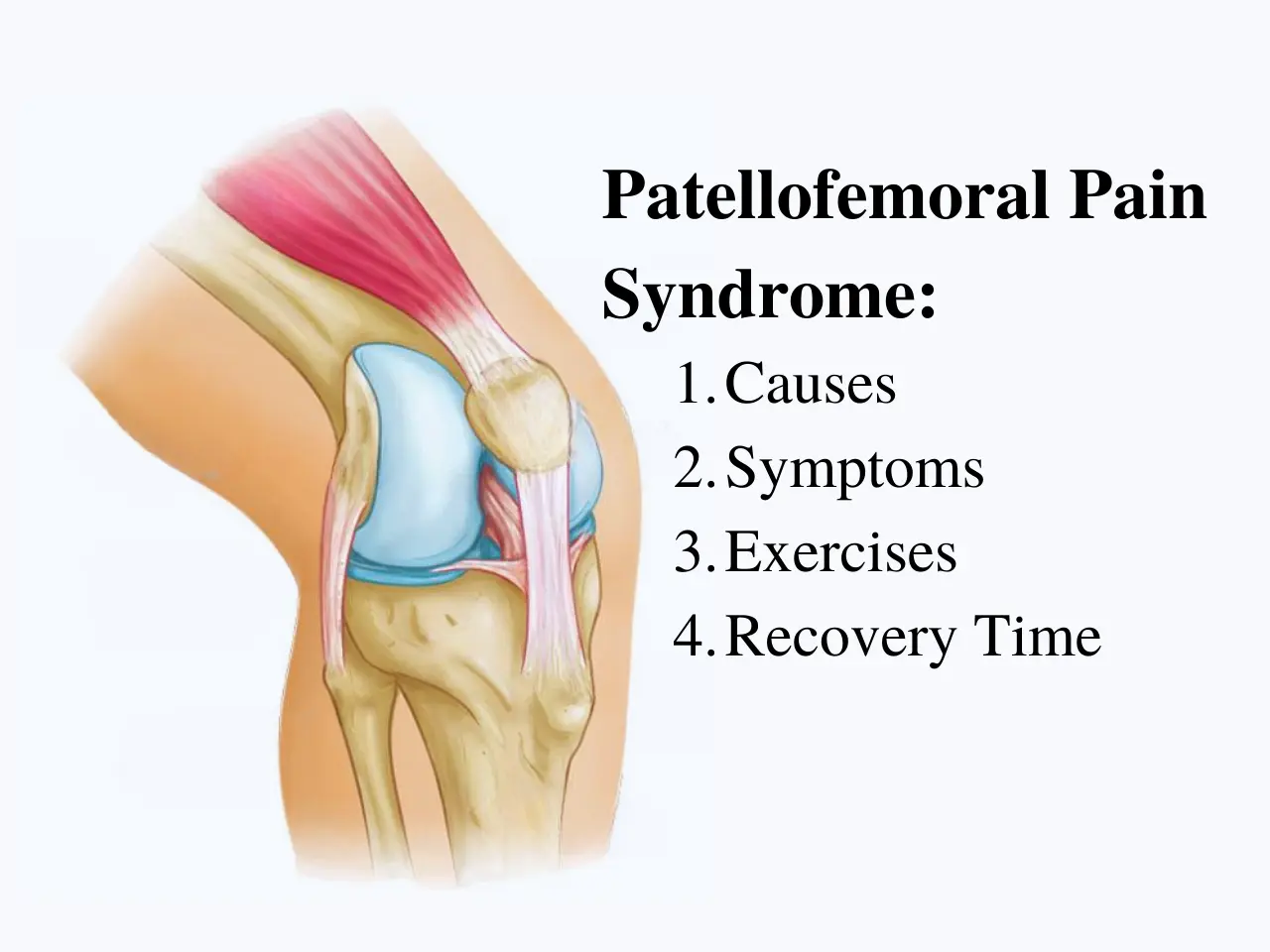
- Meniscus tears
- Tendon injuries
- Joint inflammation
Many young adults require Sports Injury Treatment after experiencing injuries during recreational or competitive activities.
2. Sedentary Working Lifestyles
Ironically, inactivity can be just as damaging as excessive physical activity.
Many professionals spend long hours:
- Sitting at desks
- Working remotely
- Using computers and mobile devices
- Maintaining poor posture
Over time, these habits can place excessive stress on joints, particularly in the:
- Neck
- Shoulders
- Lower back
- Hips
- Knees
Reduced mobility and muscle weakness can increase the risk of joint pain and injury.
3. Rising Obesity Rates
Excess body weight places additional pressure on weight-bearing joints.
Even a modest increase in weight can significantly impact:
- Knee health
- Hip function
- Joint stability
- Cartilage preservation
Young adults carrying excess weight may develop early signs of joint degeneration and osteoarthritis much earlier than previous generations.
4. Sports Injuries That Are Not Properly Treated
Many people attempt to “push through” pain following a sports injury.
Ignoring symptoms such as:
- Swelling
- Joint instability
- Persistent pain
- Reduced range of motion
can lead to chronic problems that worsen over time.
Seeking timely Sports Injury Treatment can help prevent minor injuries from becoming long-term joint conditions.
Common Joint Problems Affecting Young Adults
Orthopaedic specialists frequently diagnose several conditions in younger patients.
ACL and Ligament Injuries
Anterior cruciate ligament (ACL) injuries are common among footballers, runners, and athletes participating in pivoting sports.
Symptoms often include:
- Sudden knee pain
- Swelling
- Instability
- Difficulty walking
Meniscus Tears
The meniscus acts as a cushion within the knee joint.
A tear can occur during sports activities or twisting movements and may cause:
- Knee locking
- Clicking sensations
- Pain during movement
- Reduced flexibility
Shoulder Injuries
Weightlifting, swimming, tennis, and repetitive overhead movements can lead to:
- Rotator cuff injuries
- Shoulder impingement
- Joint instability
Hip Problems
Hip pain among younger adults is becoming increasingly common due to:
- Sports participation
- Structural abnormalities
- Repetitive strain injuries
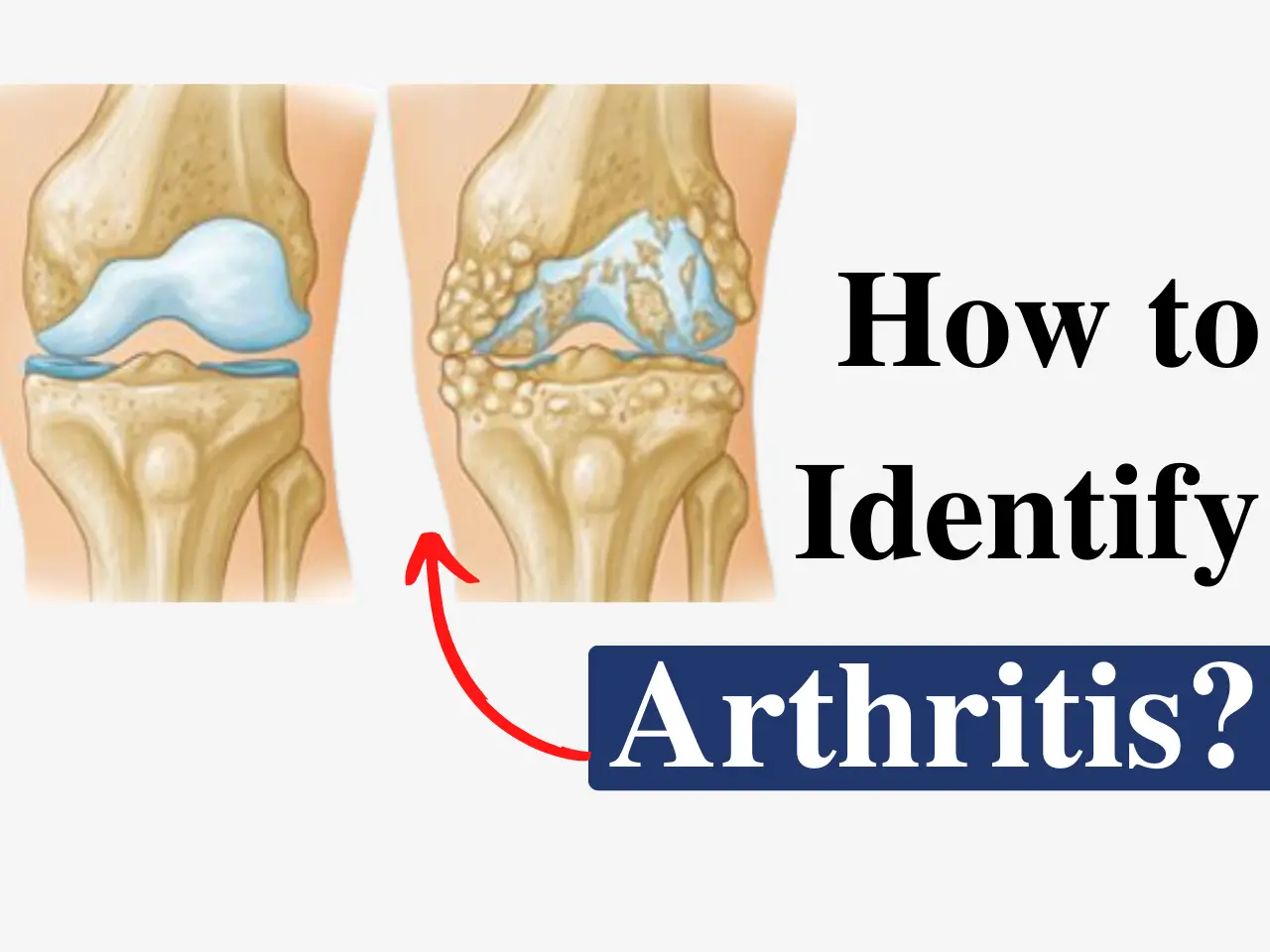
Early Osteoarthritis
Although often associated with ageing, osteoarthritis can develop earlier due to:
- Previous injuries
- Obesity
- Genetic factors
- Joint overuse
The Importance of Early Diagnosis
Many joint conditions respond better when diagnosed early.
Prompt orthopaedic evaluation can help:
- Prevent further joint damage
- Reduce pain
- Improve mobility
- Avoid more invasive procedures
- Speed up recovery
Ignoring symptoms may increase the risk of long-term joint degeneration and reduced quality of life.
Modern Advances in Orthopaedic Care
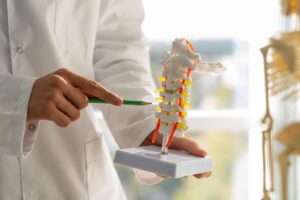
Orthopaedic medicine has evolved significantly over the past decade.
Today’s patients benefit from:
– Advanced Imaging and Diagnostics
Modern MRI and imaging technology allow specialists to identify problems earlier and with greater accuracy.
– Minimally Invasive Procedures
Many joint conditions can now be treated using minimally invasive techniques that reduce recovery times and surgical trauma.
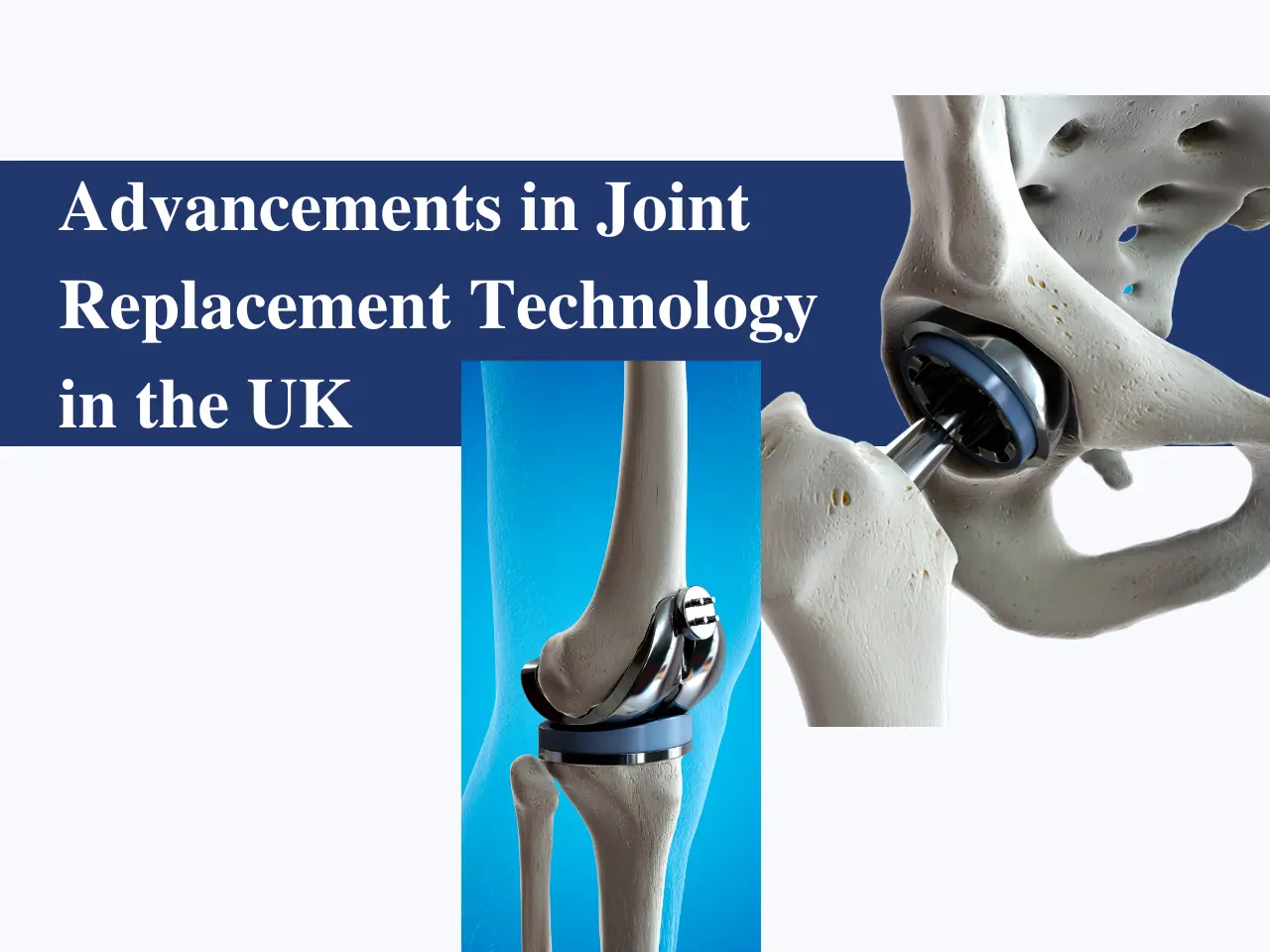
– Robotic Surgery
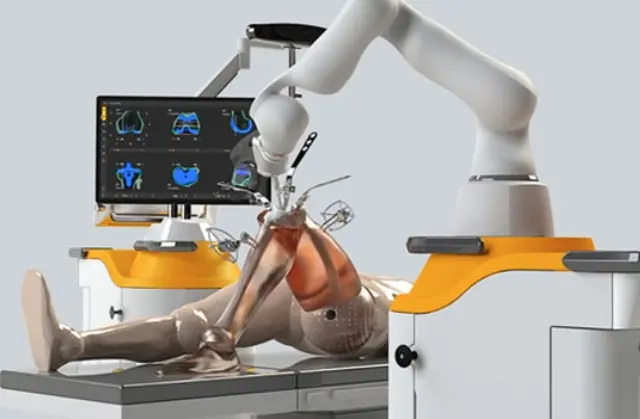
One of the most exciting developments in orthopaedics is robotic surgery.
Robotic-assisted procedures provide surgeons with enhanced precision and control during complex operations.
Benefits may include:
- Improved implant positioning
- Greater surgical accuracy
- Reduced tissue disruption
- Faster recovery in suitable patients
- Better long-term joint function
As technology continues to advance, robotic surgery is becoming an increasingly important option for patients requiring joint reconstruction or replacement procedures.
When Should You See an Orthopaedic Surgeon?
Young adults should seek professional assessment if they experience:
- Persistent joint pain lasting more than a few weeks
- Swelling after activity
- Joint instability
- Recurrent sports injuries
- Difficulty walking or exercising
- Limited range of motion
- Pain that interferes with daily activities
Consulting the best orthopedic surgeon early can help identify the underlying cause and create an effective treatment plan.
Choosing the Best Orthopedic Surgeon in the UK
Finding the best orthopedic surgeon is an important step in achieving the best possible outcome.
Consider factors such as:
- Specialist training and qualifications
- Experience treating sports injuries
- Access to advanced technology
- Expertise in minimally invasive procedures
- Availability of robotic surgery
- Patient reviews and outcomes
A highly experienced orthopaedic specialist can recommend personalised treatment options tailored to your condition and lifestyle goals.
Preventing Joint Problems in Young Adulthood
While not all injuries can be prevented, several strategies can reduce the risk of joint issues:
– Maintain a Healthy Weight
Reducing excess body weight helps minimise stress on joints.
– Exercise Correctly
Use proper technique and gradually increase training intensity.
– Strength Training
Strong muscles provide better support for joints.
– Prioritise Recovery
Allow adequate rest between workouts and sporting activities.
– Seek Early Treatment
Prompt Sports Injury Treatment can prevent minor issues from developing into chronic conditions.
Conclusion
The increasing number of young adults seeking orthopaedic care highlights the growing impact of modern lifestyles, sports participation, and workplace habits on joint health. While joint problems are becoming more common, advances in diagnostics, Sports Injury Treatment, and robotic surgery are helping patients achieve better outcomes than ever before.
If you are experiencing persistent joint pain, swelling, or mobility issues, consulting the best orthopedic surgeon can help you receive an accurate diagnosis and effective treatment plan. Early intervention remains one of the most important factors in protecting long-term joint health and maintaining an active lifestyle.
Frequently Asked Questions (FAQs)
1. Why are more young adults developing joint problems?
Factors such as sports injuries, sedentary lifestyles, obesity, repetitive strain, and increased physical activity are contributing to the rise in joint problems among young adults.
2. What are the most common sports injuries affecting joints?
Common injuries include ACL tears, meniscus injuries, rotator cuff injuries, ankle ligament sprains, and cartilage damage.
3. When should I seek Sports Injury Treatment?
You should seek professional treatment if pain, swelling, instability, or reduced mobility persists for more than a few days or interferes with daily activities.
4. How does robotic surgery help orthopaedic patients?
Robotic surgery improves surgical precision, enhances implant positioning, and may contribute to improved recovery and long-term outcomes for suitable patients.
5. How do I choose the best orthopedic surgeon in the UK?
Look for specialist qualifications, extensive clinical experience, expertise in sports injuries, access to advanced technologies, and positive patient outcomes when selecting an orthopaedic surgeon.