Knee arthritis is one of the leading causes of chronic knee pain, stiffness, and mobility issues, especially among older adults and individuals with previous joint injuries.
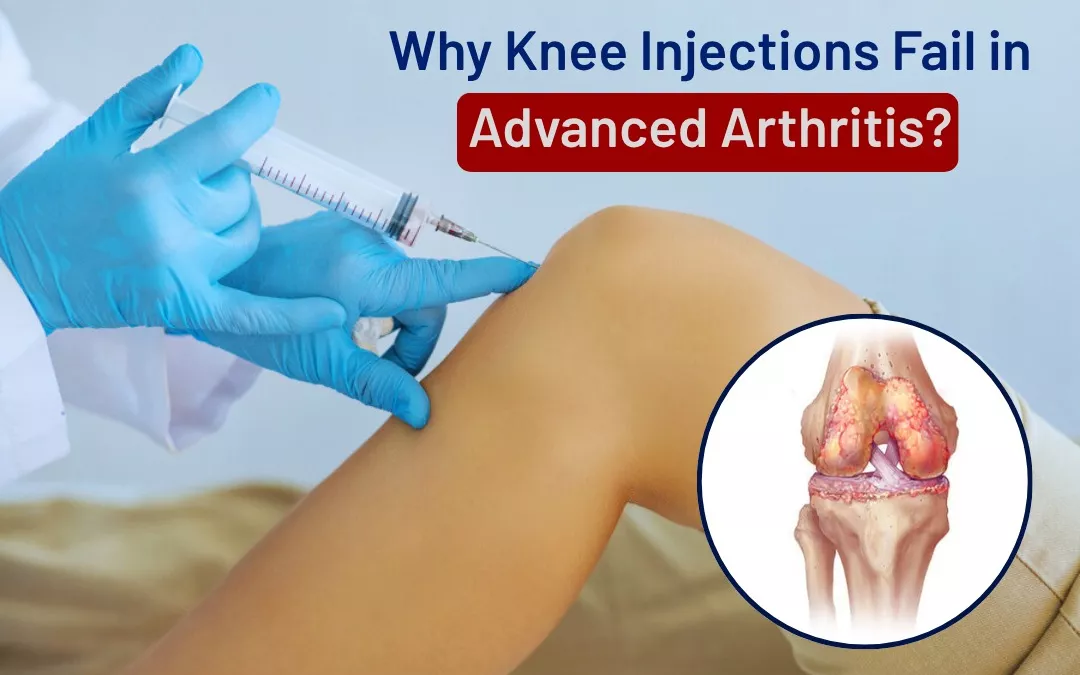
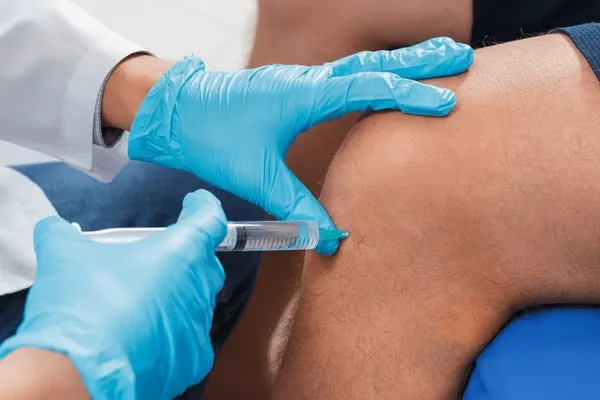
Many patients initially experience significant relief with Knee Injections for Osteoarthritis, which are commonly used to reduce inflammation, improve joint lubrication, and relieve pain.
However, while injections can be very effective in the early or moderate stages of arthritis, they may become less effective as the condition progresses.
Many patients begin to wonder why knee injections fail in advanced arthritis and why their pain returns even after treatment.
In advanced cases of osteoarthritis, structural damage to the knee joint becomes severe, making injections less capable of providing long-term relief.
Patients experiencing knee injections not working for arthritis often require further evaluation and alternative treatment options.
Mr. Nikhil Pradhan, knee replacement specialist in Cheshire, offers expert assessment and advanced treatment options for patients whose knee injections no longer provide sufficient relief.
What is Knee Osteoarthritis?
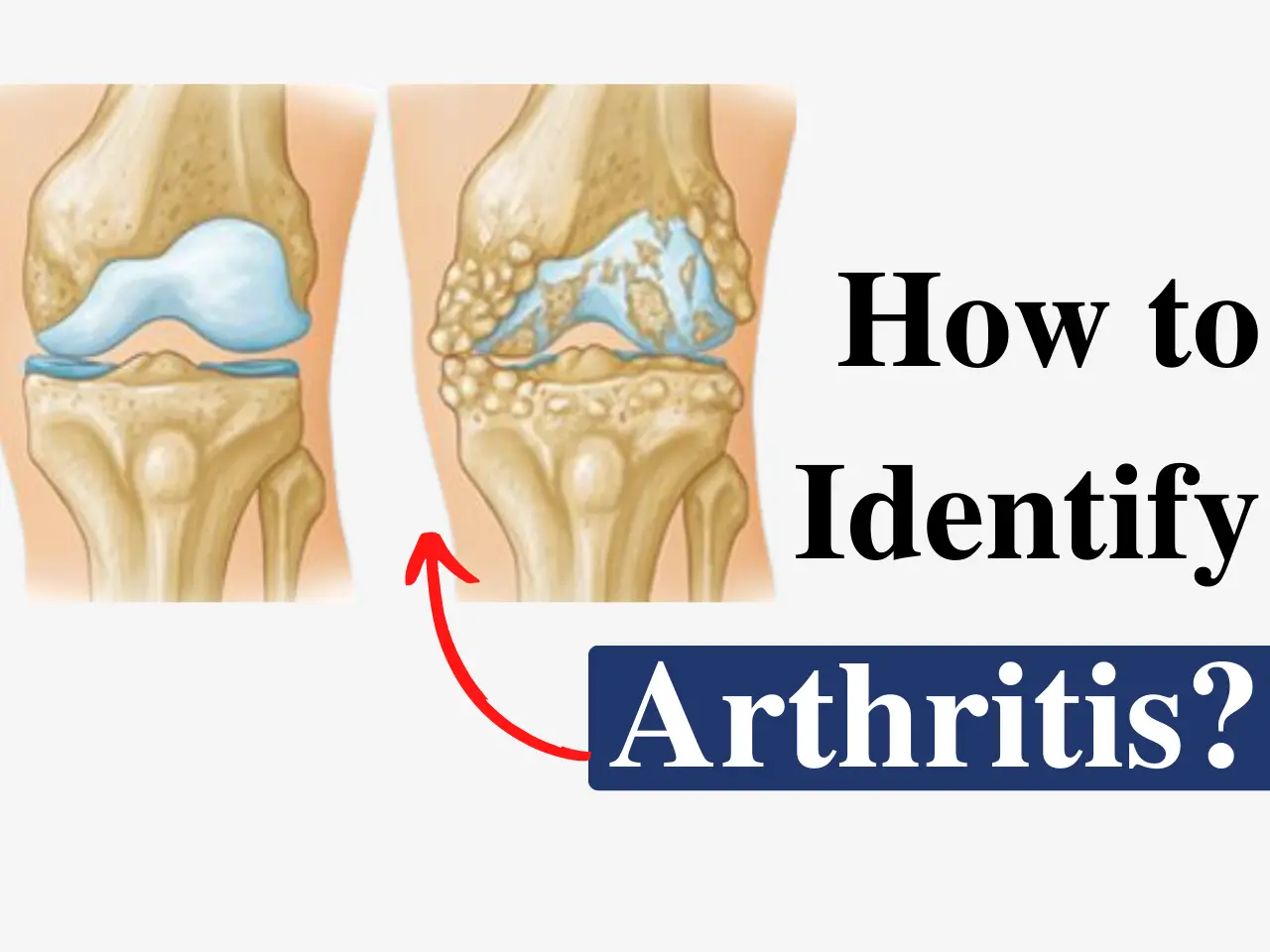
Knee osteoarthritis is a degenerative joint condition that occurs when the cartilage cushioning the bones in the knee gradually wears down.
Cartilage acts as a protective layer that allows smooth movement within the joint. When this cartilage deteriorates, the bones begin to rub against each other, causing pain, inflammation, and stiffness.
Common symptoms of knee osteoarthritis include:
- Persistent knee pain
- Joint stiffness, particularly in the morning
- Swelling around the knee
- Difficulty walking or climbing stairs
- Reduced range of motion
To manage these symptoms, doctors often recommend Knee Injections for Osteoarthritis as part of non-surgical treatment.
Stages of Knee Arthritis
Understanding the stages of arthritis can help explain when knee injections stop working.
Early Stage (Stage 1–2)
In the early stages of arthritis:
- Cartilage damage is minimal
- Pain is mild or occasional
- Joint space remains mostly intact
- Injections often provide effective relief
Patients in this stage usually respond well to conservative treatments, including injections.
Moderate Stage (Stage 3)
During the moderate stage:
- Cartilage begins to thin significantly
- Knee pain becomes more frequent
- Movement becomes more restricted
- Injections may still provide relief but often for a shorter duration
Advanced Stage (Stage 4)
This is the most severe stage of osteoarthritis.
Characteristics include:
- Severe cartilage loss
- Bone-on-bone contact
- Chronic pain and stiffness
- Significant joint deformity
At this stage, stage 4 knee arthritis injections effectiveness becomes very limited.
Types of Knee Injections Used for Arthritis
Doctors may recommend different types of injections depending on the severity of arthritis.
Cortisone (Steroid) Injections
Cortisone injections are anti-inflammatory medications injected directly into the knee joint to reduce swelling and pain.
Benefits include:
- Rapid pain relief
- Reduced inflammation
- Improved mobility for a short period
However, many patients eventually ask: do cortisone injections stop working for knee arthritis?
The answer is yes. Over time, their effectiveness may decrease, especially as arthritis progresses.
Hyaluronic Acid Injections
Hyaluronic acid injections are designed to improve joint lubrication.
These injections:
- Help reduce friction within the joint
- Improve joint movement
- Provide temporary pain relief
However, patients with advanced arthritis often experience why hyaluronic acid injections fail in knee arthritis because the joint damage is already severe.
Platelet-Rich Plasma (PRP) Injections
PRP injections use a patient’s own blood platelets to stimulate healing and reduce inflammation.
PRP may help in earlier stages of arthritis but is usually less effective once the joint damage becomes severe.
Why Knee Injections Fail in Advanced Arthritis
Understanding why knee injections fail in advanced arthritis is essential for patients experiencing persistent knee pain.
Severe Cartilage Loss
One of the primary reasons for knee injections not working for arthritis is the loss of cartilage within the knee joint.
In advanced arthritis:
- The cartilage cushioning the joint is severely damaged or completely gone
- The bones begin to rub against each other
- Injections cannot rebuild lost cartilage
As a result, injections provide only temporary or minimal relief.
Bone-on-Bone Joint Damage
Another important reason why steroid injections don’t work for severe knee arthritis is the structural damage in the joint.
Steroid injections mainly reduce inflammation, but they cannot repair:
- Bone-on-bone contact
- Joint deformity
- Structural damage within the knee
Therefore, while steroids may temporarily reduce swelling, the underlying problem remains.
Reduced Effectiveness Over Time
Patients often ask, do cortisone injections stop working for knee arthritis?
Yes, repeated injections can gradually lose effectiveness.
Reasons include:
- Progression of arthritis
- Increasing joint damage
- Reduced response of the joint to medication
Eventually, injections may provide relief for only a short period or not at all.
Poor Joint Lubrication in Severe Arthritis
Another reason why hyaluronic acid injections fail in knee arthritis is that the joint environment changes in advanced disease.
In severe arthritis:
- The joint fluid becomes less effective
- Cartilage loss increases friction
- Lubrication alone cannot compensate for structural damage
This makes hyaluronic acid injections less beneficial.
Joint Deformity and Alignment Problems
Advanced arthritis can also cause:
- Knee deformity
- Bowing of the legs
- Bone spur formation
These structural changes cannot be corrected with injections, which is another reason when knee injections stop working, patients need alternative treatments.
Signs That Knee Injections Are No Longer Working
There are several signs that indicate injections may no longer be effective.
Common signs include:
- Pain relief lasts only a few weeks
- Pain returns quickly after injections
- Persistent swelling and stiffness
- Difficulty walking or climbing stairs
- Knee pain affecting sleep
These symptoms often suggest that the arthritis has progressed and that treatment options after knee injections fail should be considered.
Treatment Options After Knee Injections Fail
When injections no longer provide relief, several treatments may still help manage symptoms.
Physiotherapy
Physiotherapy focuses on strengthening the muscles surrounding the knee joint.
Benefits include:
- Improved joint stability
- Reduced pressure on the knee
- Better mobility and function
Pain Management and Medications
Doctors may recommend medications to help control pain and inflammation.
These may include:
- Anti-inflammatory medications
- Pain relievers
- Lifestyle modifications
Knee Bracing
Knee braces can help redistribute pressure across the joint and improve alignment.
They may help reduce pain in certain patients.
Alternatives When Knee Injections Fail
Some patients may explore newer treatment approaches.
Possible alternatives when knee injections fail include:
- Platelet-Rich Plasma (PRP) therapy
- Regenerative medicine approaches
- Advanced physiotherapy programs
However, these options may not be suitable for severe arthritis.
Advanced Knee Arthritis Treatment Options
When arthritis reaches an advanced stage, surgical treatment may provide the most effective solution.
Partial Knee Replacement
This procedure replaces only the damaged portion of the knee joint.
Advantages include:
- Smaller incision
- Faster recovery
- Preservation of healthy bone
Total Knee Replacement
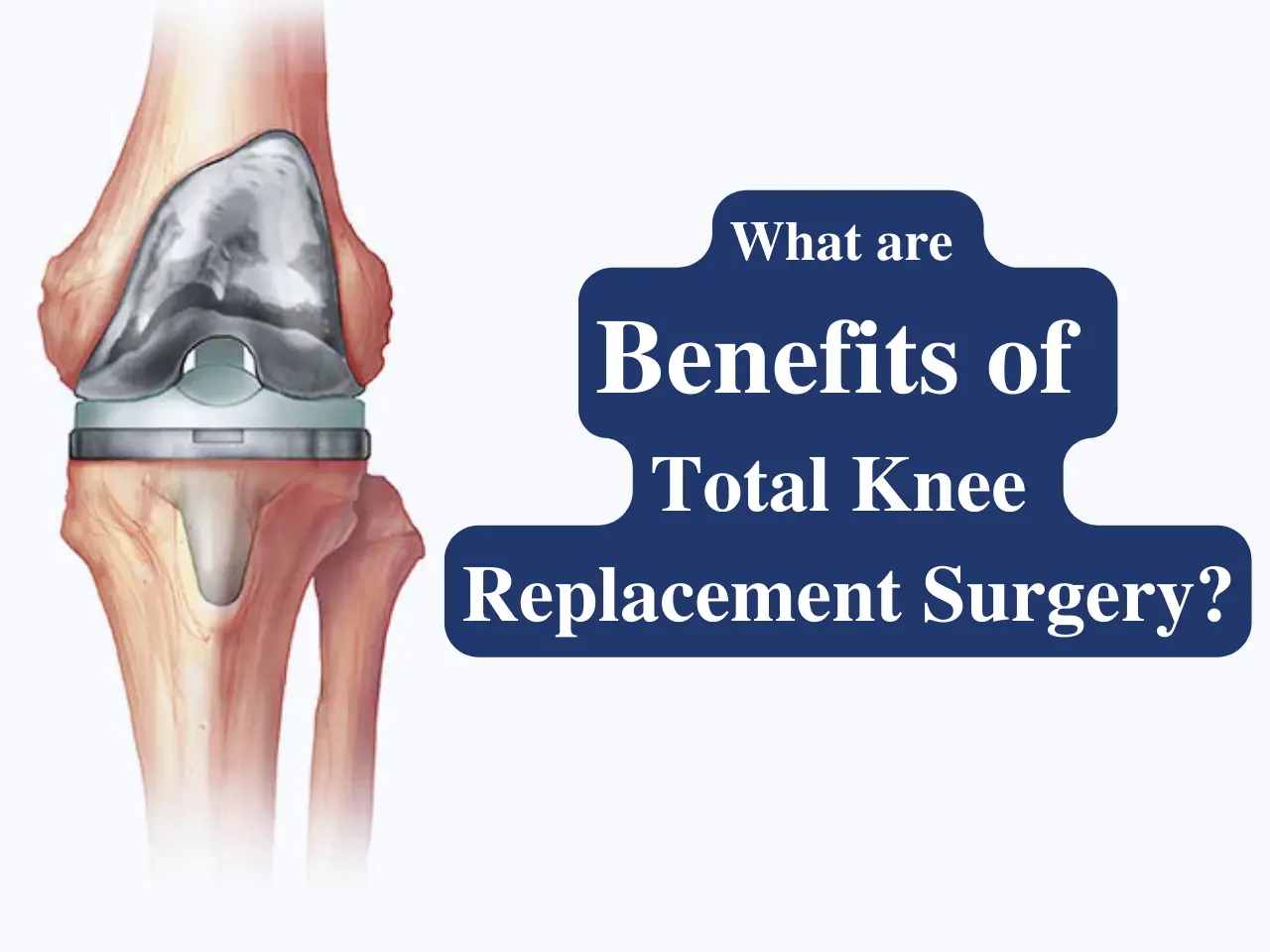
Total knee replacement is considered the most reliable treatment for severe osteoarthritis.
The procedure involves replacing the damaged knee joint with artificial components that restore smooth movement.
Benefits include:
- Long-term pain relief
- Improved mobility
- Better quality of life
Mr. Nikhil Pradhan, knee replacement specialist in Cheshire, provides expert evaluation and advanced surgical care for patients with severe knee arthritis who no longer benefit from injections.
When to See a Knee Specialist
Patients should consult a specialist if they experience:
- Persistent knee pain despite injections
- Difficulty walking or performing daily activities
- Severe stiffness or swelling
- Reduced range of motion
An early consultation with Mr. Nikhil Pradhan in Cheshire can help determine the most appropriate advanced knee arthritis treatment options.
Conclusion
Knee injections can be an effective treatment for managing arthritis pain in its early stages.
However, as the condition progresses, many patients experience knee injections not working for arthritis due to severe cartilage loss, bone-on-bone contact, and joint deformity.
Understanding why knee injections fail in advanced arthritis helps patients make informed decisions about their treatment options.
When injections are no longer effective, exploring treatment options after knee injections fail, including advanced surgical solutions, may provide lasting relief.
Consulting Mr. Nikhil Pradhan, knee replacement specialist in Cheshire, can help patients access the most appropriate treatment and regain mobility, comfort, and quality of life.
FAQs
Do cortisone injections stop working for knee arthritis?
Yes. Cortisone injections may lose effectiveness over time, particularly as arthritis becomes more severe and structural joint damage increases.
Why steroid injections don’t work for severe knee arthritis?
Steroid injections reduce inflammation but cannot repair cartilage loss or correct bone-on-bone joint damage present in severe arthritis.
Why hyaluronic acid injections fail in knee arthritis?
Hyaluronic acid injections rely on improving joint lubrication. In advanced arthritis where cartilage is severely damaged, lubrication alone cannot relieve pain effectively.
What are the alternatives when knee injections fail?
Alternatives may include physiotherapy, regenerative treatments such as PRP, bracing, or surgical options like knee replacement.
What are the best treatment options after knee injections fail?
For advanced arthritis, the most effective treatment is often knee replacement surgery, which restores joint function and provides long-term pain relief.