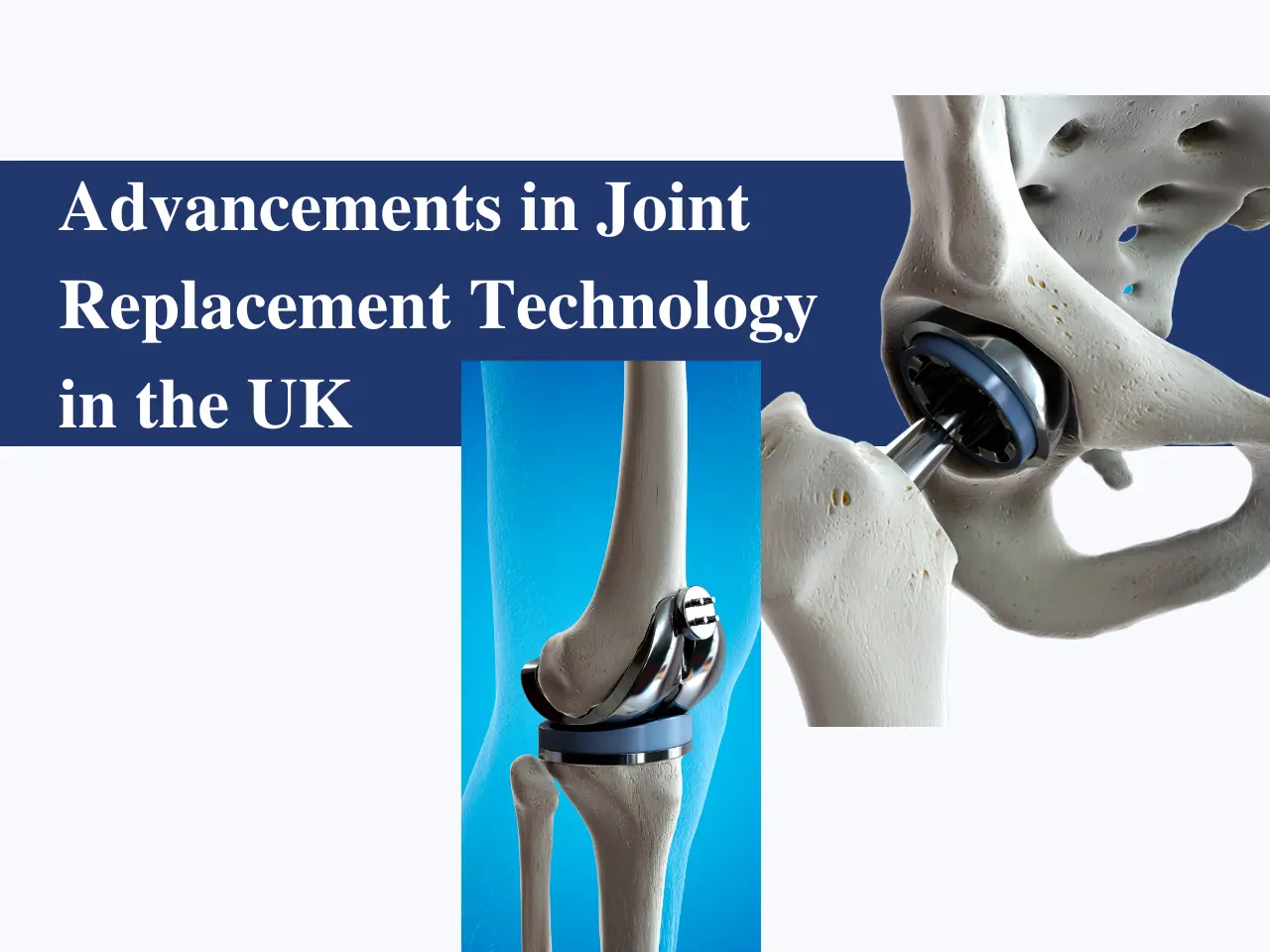
Joint pain can significantly affect your quality of life, making everyday activities such as walking, climbing stairs, or even standing for long periods difficult. Fortunately, advancements in Joint Replacement Surgery have transformed the lives of thousands of patients across the UK. Modern surgical techniques, improved implant designs, and the introduction of robotic surgery have contributed to higher success rates, faster recovery, and better long-term outcomes.
At Cheshire Hip and Knee Clinic, we believe that informed patients make better healthcare decisions. This guide explores the success rates of modern joint replacement procedures in the UK and the factors that contribute to successful outcomes.
What Is Joint Replacement Surgery?
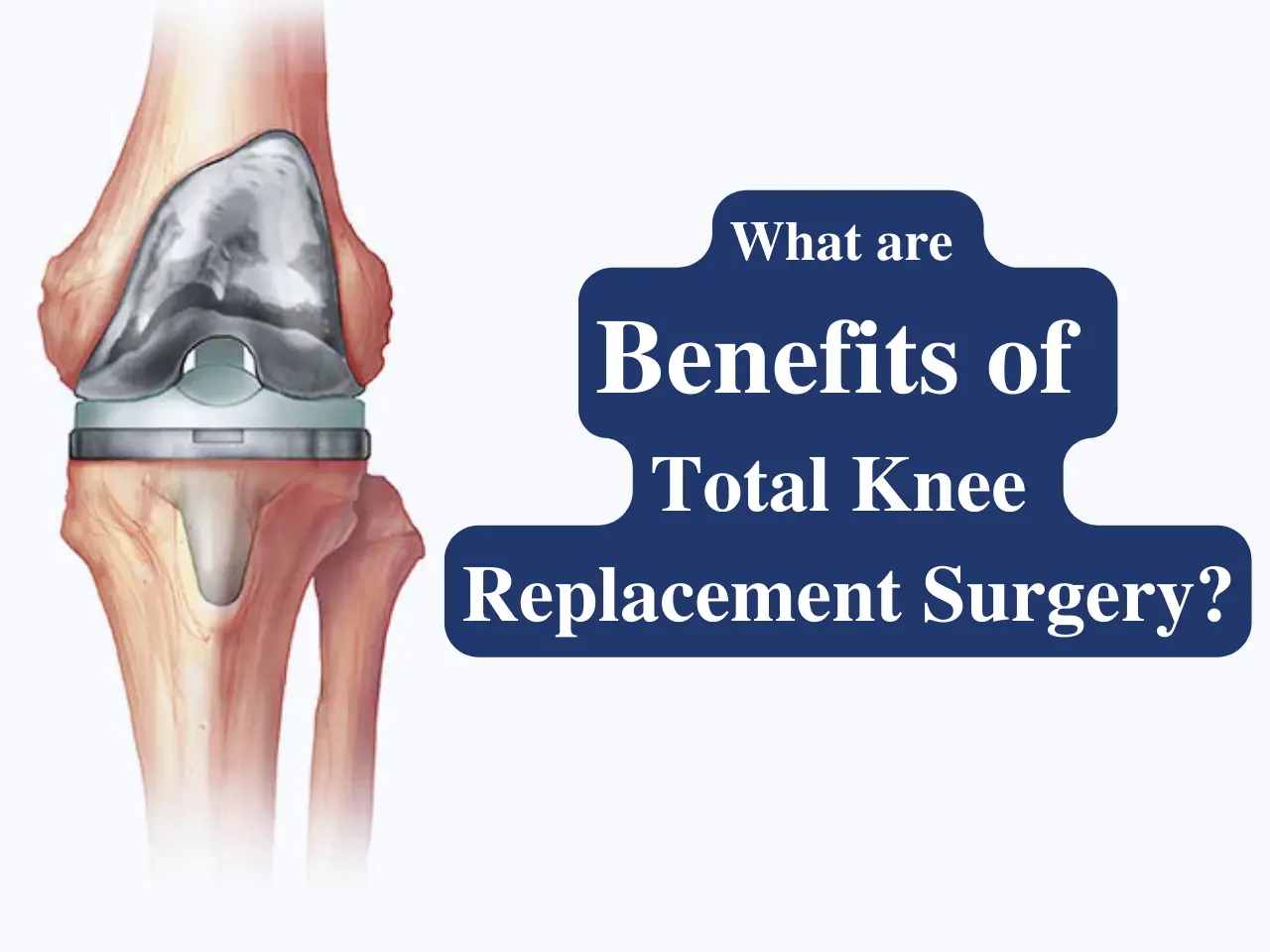
Joint Replacement Surgery is a procedure in which a damaged or worn-out joint is replaced with an artificial implant. The most commonly replaced joints include:
- Knee joints
- Hip joints
- Shoulder joints
- Elbow joints
- Ankle joints
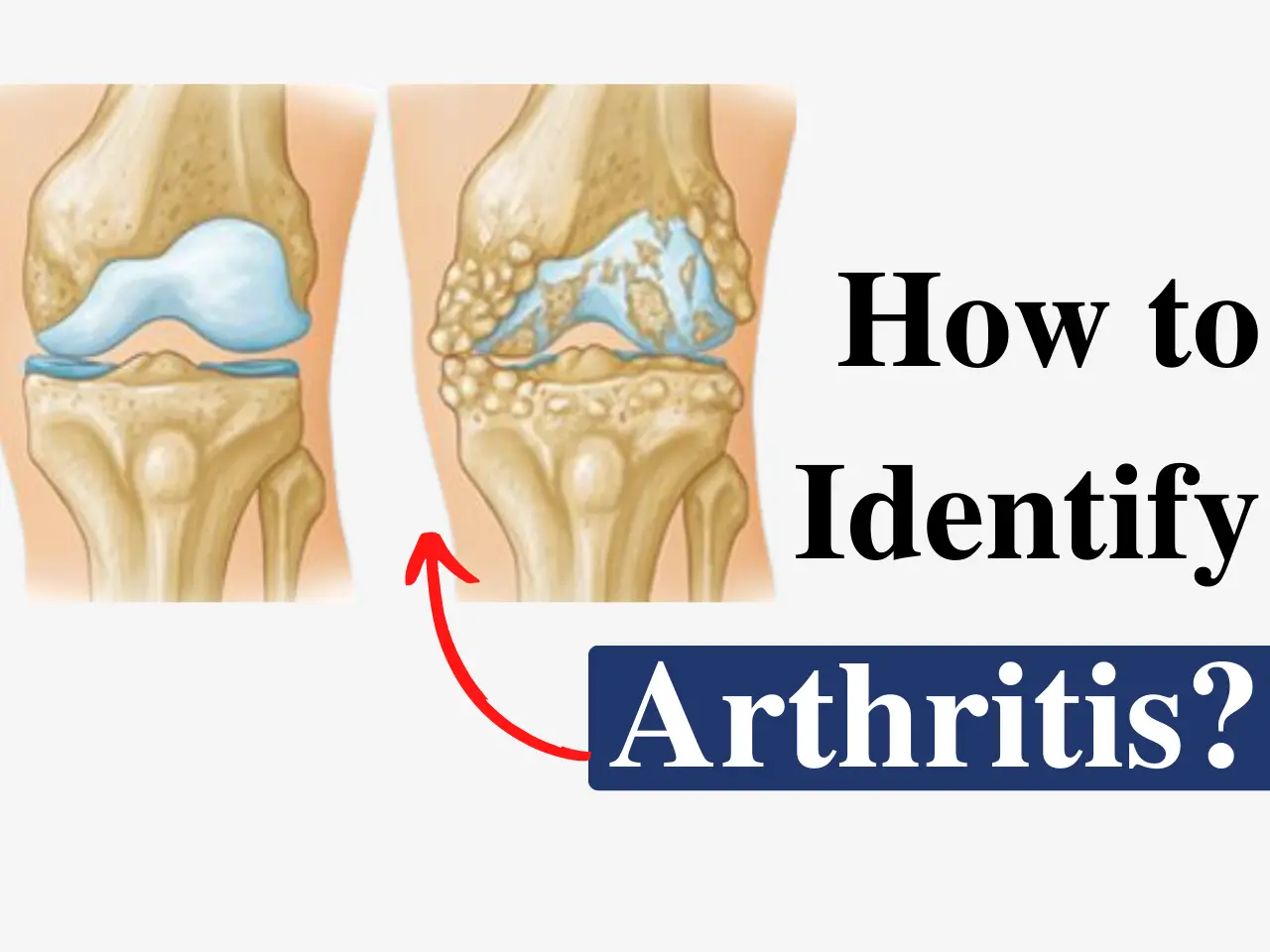
These procedures are typically recommended for patients suffering from severe arthritis, joint degeneration, trauma-related damage, or chronic pain that has not responded to conservative treatments.
How Successful Is Modern Joint Replacement Surgery?
Modern Joint Replacement Surgery is considered one of the most successful procedures in orthopaedics. Advances in surgical planning, implant technology, and rehabilitation protocols have significantly improved patient outcomes.
Knee Replacement Success Rates
Most patients experience:
- Significant pain relief
- Improved mobility
- Better quality of life
- Long-lasting implant performance
Research indicates that the majority of modern knee replacements continue to function effectively for 15 to 20 years or longer.
Hip Replacement Success Rates
Hip replacement is widely regarded as one of the most successful surgical procedures worldwide. Most patients report:
- Reduced pain
- Improved walking ability
- Enhanced daily functions
- High satisfaction rates
Modern hip implants are designed to provide durability and excellent long-term performance.
The Role of Robotic Surgery in Joint Replacement
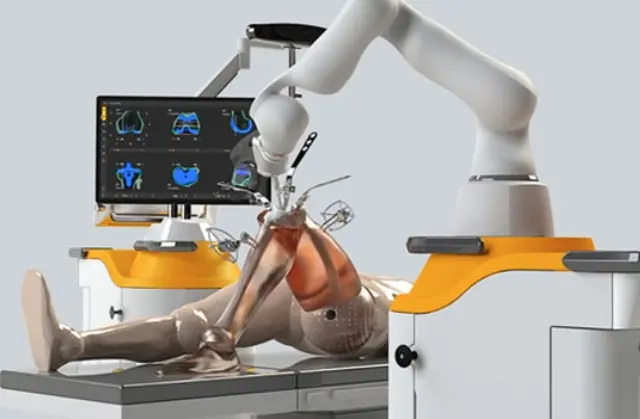
One of the most significant advancements in orthopaedics is the introduction of robotic surgery.
Robotic-assisted joint replacement enables surgeons to:
- Create highly accurate surgical plans
- Improve implant positioning
- Preserve healthy bone tissue
- Enhance joint alignment
- Reduce surgical variability
By providing real-time data and precision guidance, robotic technology helps surgeons achieve more consistent outcomes.
Benefits of Robotic Surgery
– Greater Precision
Robotic systems assist with accurate implant placement, which can improve joint function and longevity.
– Personalized Treatment
Every patient’s anatomy is unique. Robotic technology allows for customized surgical planning based on individual needs.
– Faster Recovery
Many patients experience quicker rehabilitation and a faster return to daily activities.
– Improved Long-Term Outcomes
Proper alignment and implant positioning may contribute to improved implant longevity and patient satisfaction.
Factors That Influence Joint Replacement Success Rates
While modern techniques have improved outcomes, several factors affect the success of Joint Replacement Surgery.
1. Surgeon Experience
Choosing the best orthopedic surgeon is one of the most important decisions a patient can make. Experienced surgeons have extensive training, advanced technical skills, and a proven track record in performing complex joint replacement procedures.
2. Overall Health
Patients who maintain a healthy weight, manage chronic conditions, and follow medical advice often experience better outcomes.
3. Rehabilitation Commitment
Physical therapy and post-operative rehabilitation play a crucial role in recovery. Patients who actively participate in rehabilitation programmes generally achieve better mobility and function.
4. Implant Quality
Modern implants are designed using advanced materials that offer improved durability and performance.
5. Surgical Technology
Advanced tools such as robotic surgery can enhance precision and potentially improve outcomes.
Why Patients in the UK Are Choosing Joint Replacement Surgery

The demand for Joint Replacement Surgery in the UK continues to grow as people seek effective solutions for chronic joint pain.
Key reasons include:
- Increased life expectancy
- Higher expectations for mobility and independence
- Advancements in minimally invasive techniques
- Improved implant durability
- Availability of robotic-assisted procedures
Many patients are now able to return to activities they once thought impossible, including walking long distances, travelling, gardening, and participating in recreational sports.
How to Choose the Best Orthopedic Surgeon in the UK
Selecting the best orthopedic surgeon can significantly impact your surgical experience and outcome.
When choosing a surgeon, consider:
- Board certification and specialist qualifications
- Experience in joint replacement procedures
- Access to advanced technologies such as robotic surgery
- Patient reviews and testimonials
- Hospital affiliations
- Success rates and clinical outcomes
An experienced orthopedic specialist will take the time to evaluate your condition, discuss treatment options, and create a personalized care plan.
Recovery After Joint Replacement Surgery
Recovery timelines vary depending on the type of procedure and individual patient factors.
Most patients can expect:
First Few Weeks
- Gradual pain reduction
- Increased mobility
- Physical therapy sessions
First Few Months
- Improved strength and flexibility
- Return to many daily activities
- Continued rehabilitation progress
Long-Term Recovery
- Significant improvement in quality of life
- Better joint function
- Reduced dependence on pain medication
Following your surgeon’s recommendations is essential for achieving the best possible outcome.
The Future of Joint Replacement Surgery in the UK
The future of Joint Replacement Surgery is being shaped by innovation.
Emerging trends include:
- Advanced robotic surgery platforms
- Artificial intelligence-assisted planning
- Personalized implants
- Enhanced recovery programmes
- Minimally invasive surgical techniques
These developments are expected to further improve precision, patient satisfaction, and long-term implant performance.
Conclusion
Modern Joint Replacement Surgery has become one of the most reliable and successful treatments for severe joint pain and mobility limitations. Thanks to advancements in implant technology, rehabilitation protocols, and robotic surgery, patients across the UK are experiencing better outcomes than ever before.
Choosing the best orthopedic surgeon, following a structured recovery plan, and understanding your treatment options can significantly contribute to a successful result. If joint pain is affecting your quality of life, consulting an experienced orthopedic specialist may be the first step toward restoring mobility and independence.
Frequently Asked Questions (FAQs)
1. What is the success rate of Joint Replacement Surgery in the UK?
Modern Joint Replacement Surgery has a very high success rate, with most patients experiencing substantial pain relief, improved mobility, and long-term implant durability.
2. Is robotic surgery better than traditional joint replacement surgery?
Robotic surgery offers enhanced precision, personalized planning, and improved implant positioning, which may contribute to better outcomes for many patients.
3. How long do joint replacement implants last?
Many modern implants can last 15 to 20 years or more, depending on factors such as activity level, implant type, and overall health.
4. How do I choose the best orthopedic surgeon in the UK?
Look for specialist qualifications, extensive experience, patient reviews, success rates, and access to advanced technologies such as robotic surgery.
5. How long does it take to recover from Joint Replacement Surgery?
Recovery varies by individual and procedure type, but most patients begin walking within days and continue improving over several months through rehabilitation and physical therapy.