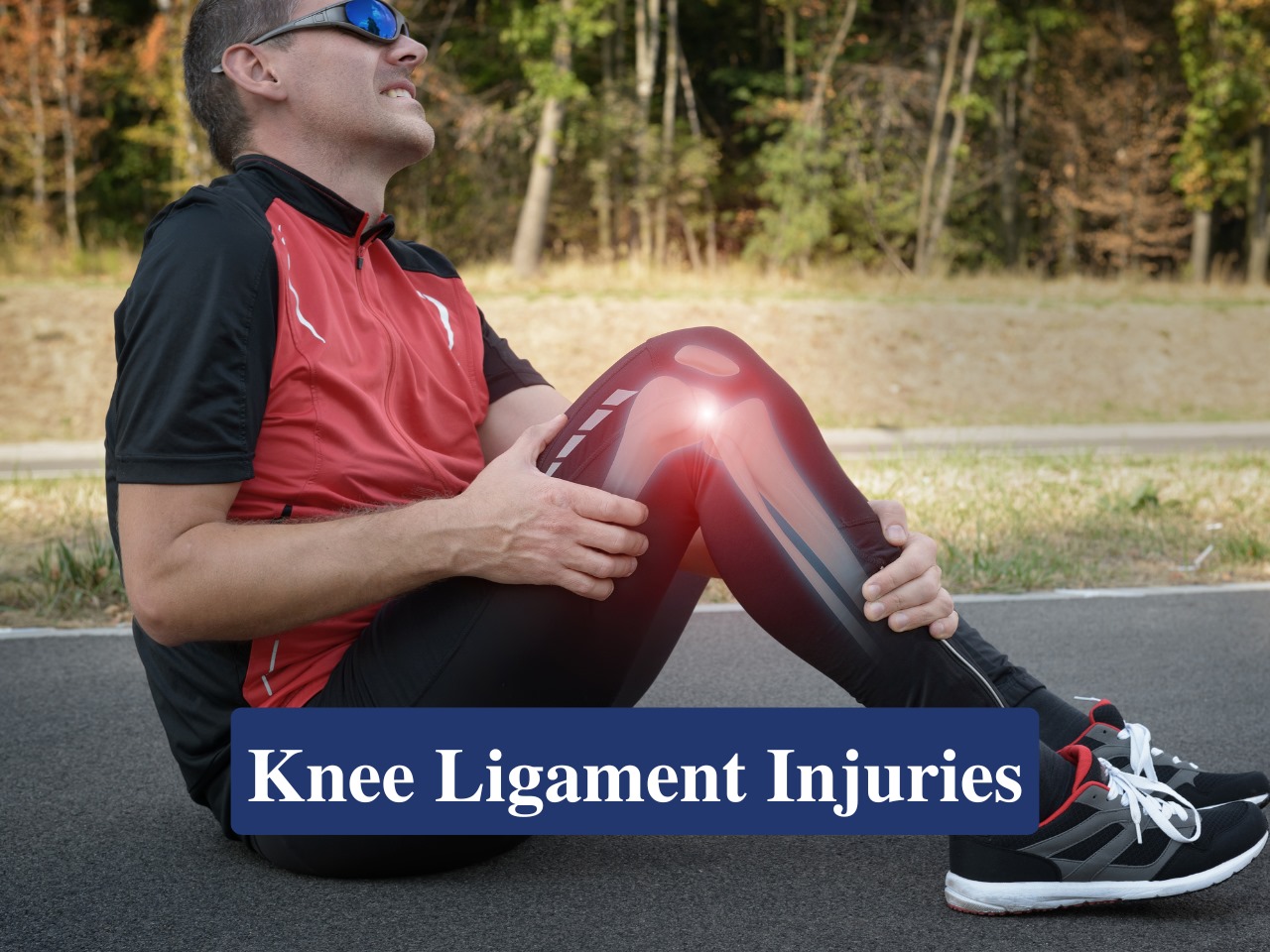
Knee Ligament Injuries: Causes, Symptoms & Treatment

Mr. Nikhil Pradhan

Knee ligament injuries are common and can significantly impact joint stability and mobility. Ligaments are tough bands of tissue connecting bones within the joint, crucial for providing stability and controlling the range of motion. When these ligaments are injured, it can lead to pain, swelling, and instability in the knee.

Knee Ligament Injuries: Understanding the Basics

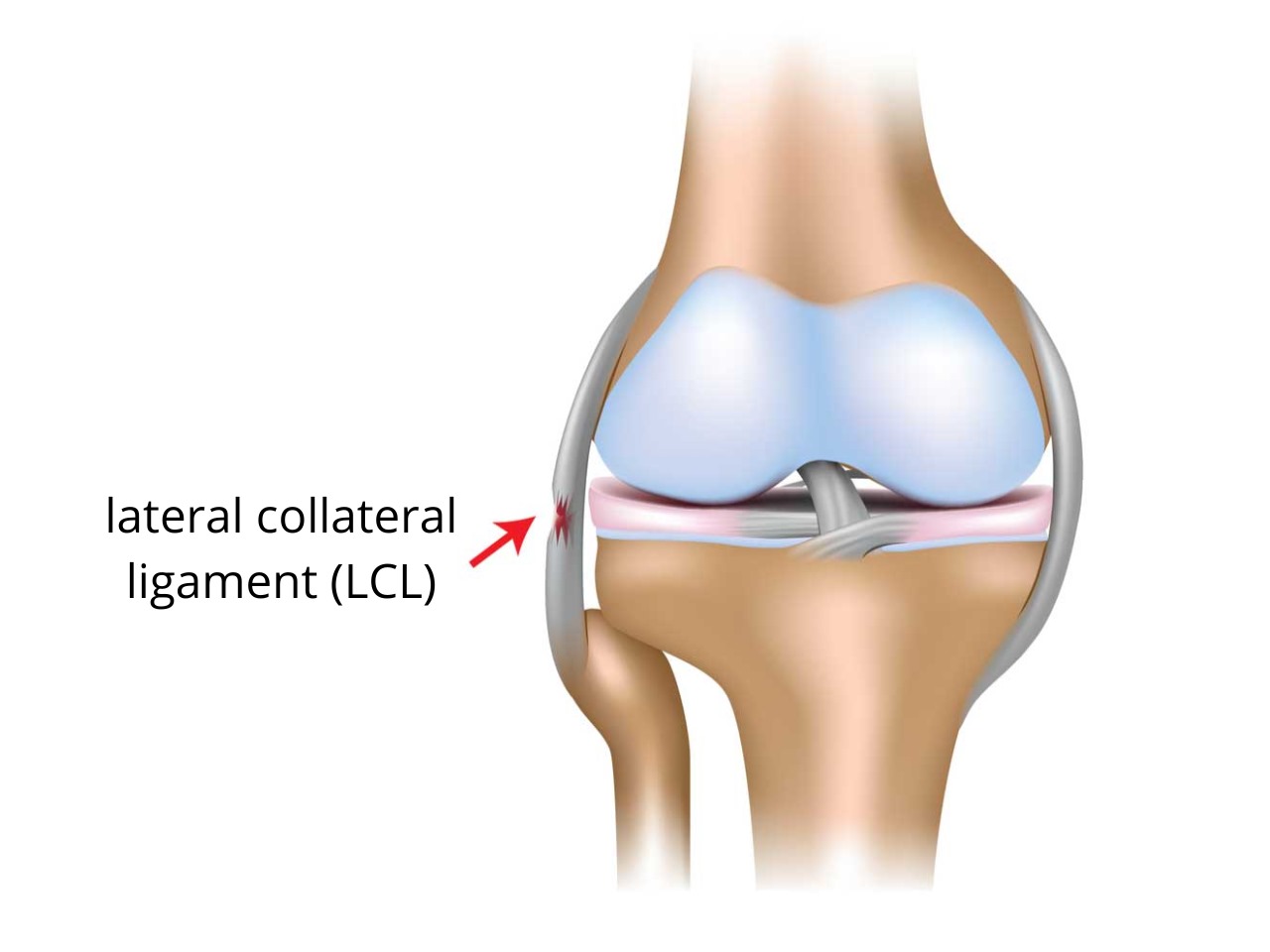
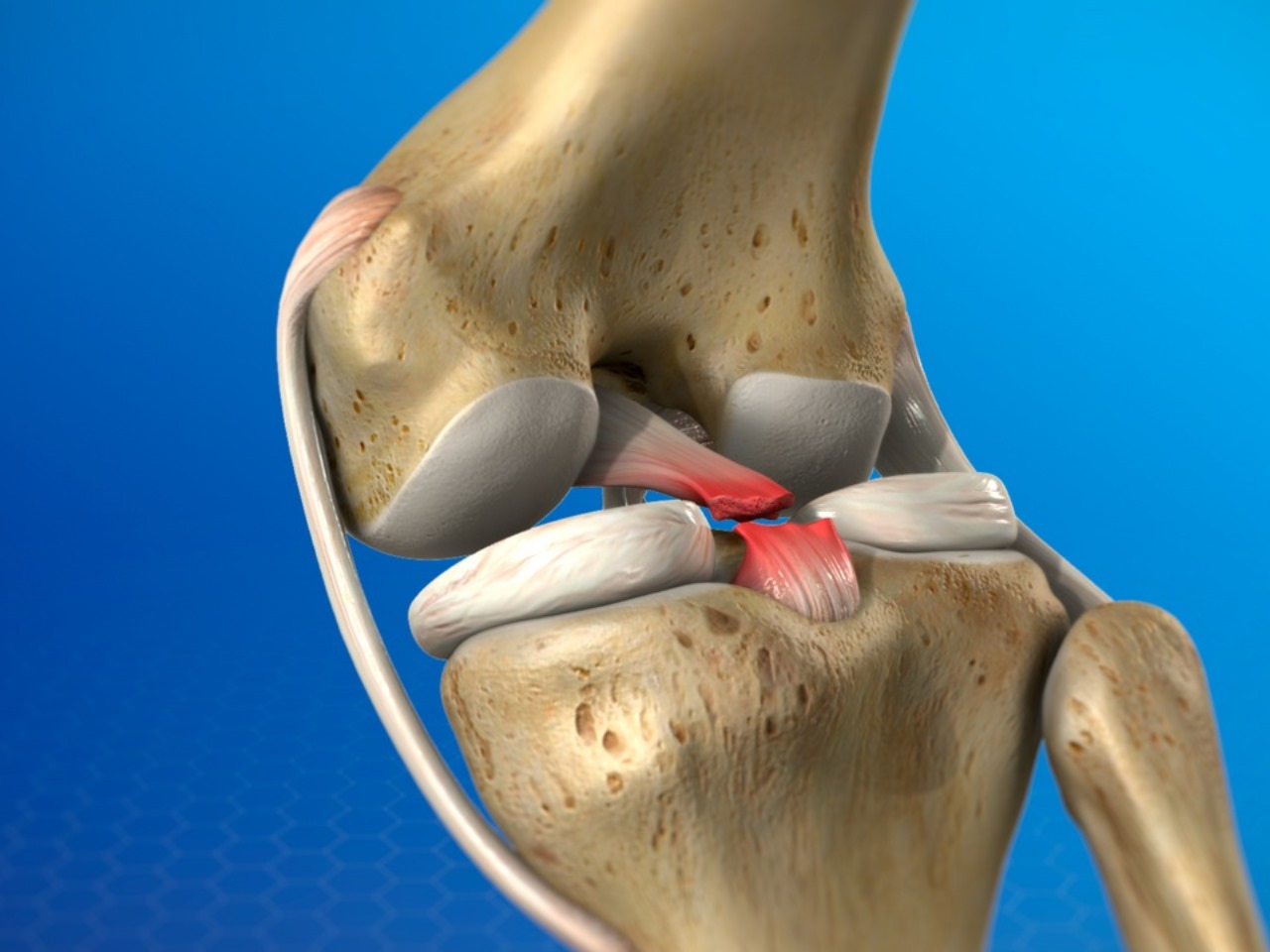
The knee is a complex joint where bones meet, and ligaments provide crucial stability. These ligaments are tough, fibrous bands of tissue that connect the bones of your knee, namely the femur (thighbone), tibia (shinbone), and fibula (calf bone).

The four major knee ligaments include:

Types of Knee Ligaments

  1. ACL (Anterior Cruciate Ligament): Located in the center of the knee, it helps prevent the shin bone from sliding out in front of the thigh bone.
  2. PCL (Posterior Cruciate Ligament): Situated at the back of the knee, it prevents the shin bone from moving backward too far.
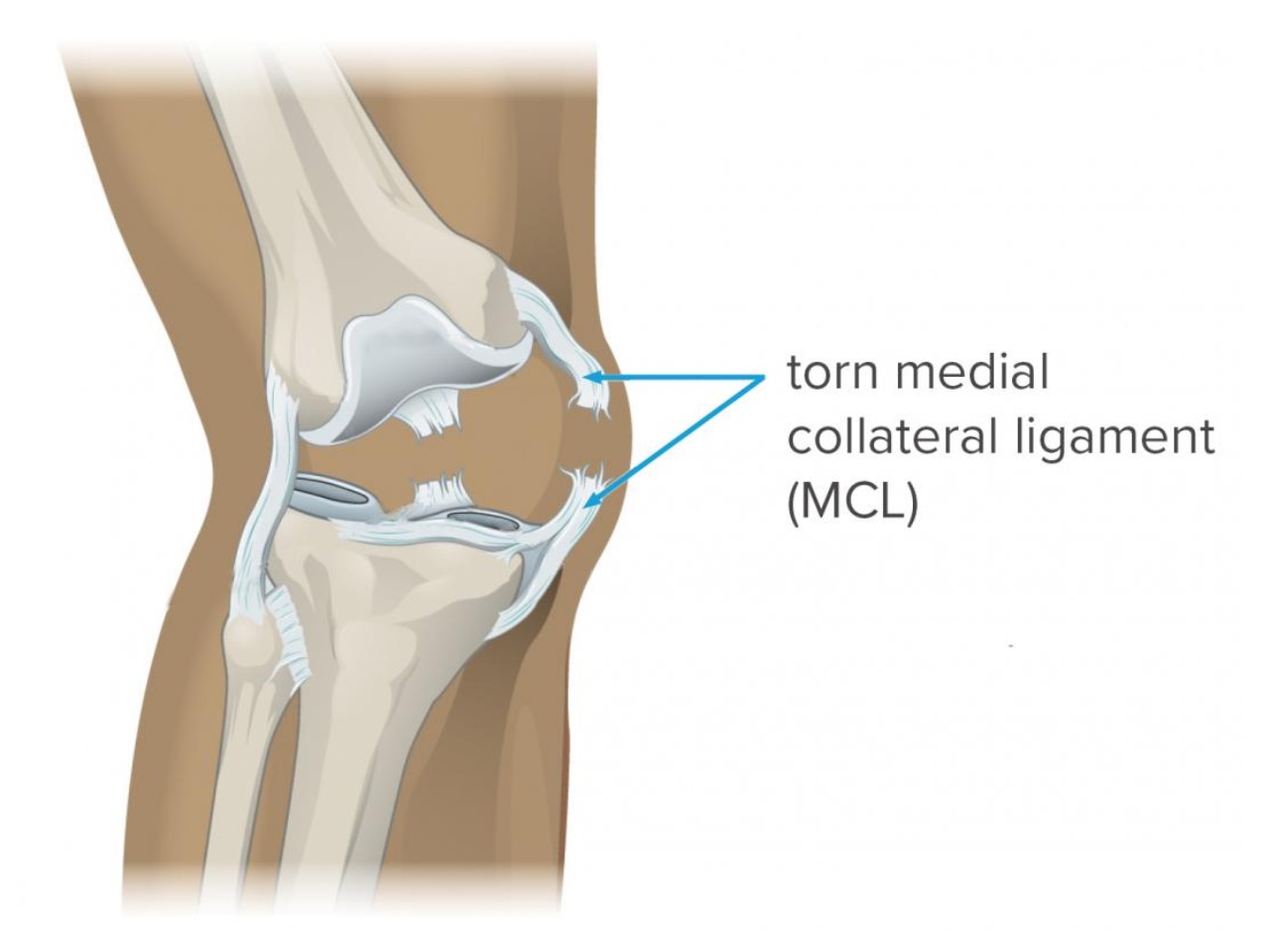
  3. MCL (Medial Collateral Ligament): Runs along the inner side of the knee, providing stability to the inner knee.
  4. LCL (Lateral Collateral Ligament): Runs along the outer side of the knee, stabilizing the outer knee.
Causes of Knee Ligament Injuries

Ligament tears can happen due to various reasons, including:

  1. Sudden twists or pivots: This is a common cause in sports like football, basketball, and skiing.
  2. Direct blows to the knee: Falls or car accidents can cause ligament tears.
  3. Overuse: Repetitive movements, particularly in sports, can lead to gradual weakening and tears.
  4. Landing awkwardly: Jumping or landing incorrectly can put excessive stress on the ligaments.

The impact of a ligament tear can vary depending on the severity. A minor sprain might cause pain and stiffness, while a complete tear can lead to significant instability and difficulty walking.

Impact of Knee Cruciate Ligament Injuries

Functional Implications

Knee ligament injuries can lead to:
  • Instability in the knee joint: Feeling of the knee giving way during movement.
  • Difficulty in daily activities and sports: Reduced ability to participate in physical activities.

Long-Term Effects-

  • Risk of osteoarthritis: Chronic instability and joint wear may accelerate joint degeneration.
  • Impact on joint health: Proper treatment and rehabilitation are crucial to prevent long-term complications.

Symptoms of Knee Ligament Injuries

Common Symptoms

Symptoms vary depending on the severity but often include:

  1. Pain and tenderness around the knee: Especially during movement or when touching the affected area.
  2. Swelling and stiffness: Inflammation around the injured ligament.
  3. Instability or feeling of giving way: Difficulty in bearing weight or performing activities requiring knee stability.

Specific Symptoms by Ligament Type

  1. ACL: Often accompanied by a popping sound at the time of injury and significant swelling.
  2. MCL: Pain and tenderness on the inner side of the knee, particularly when bending or twisting the knee.

Diagnosis of Knee Ligament Injuries

Physical Examination
Diagnosis typically involves:
  1. Assessment of knee stability: Checking for signs of instability or abnormal joint movement.
  2. Range of motion tests: Evaluating the knee’s flexibility and mobility. 

Imaging Tests

  1. MRI (Magnetic Resonance Imaging): Provides detailed images of soft tissues, helping to assess ligament damage.
  2. X-rays: Used to rule out fractures or other bone-related injuries.

Treatment Options for Knee Ligament Injuries

Non-Surgical Treatments
Initial treatment often includes:
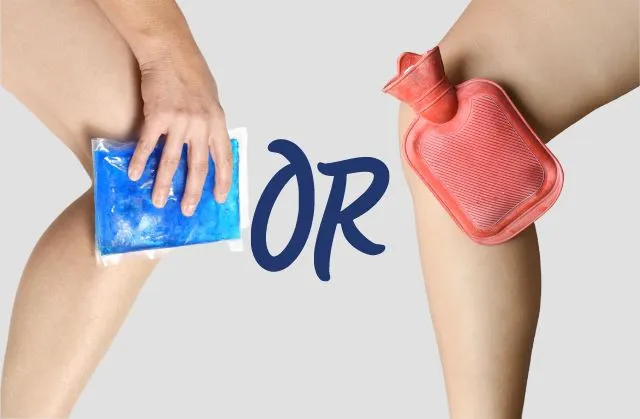
  1. Rest, ice, compression, elevation (RICE): To reduce swelling and inflammation.
  2. Physical therapy: Strengthening exercises to improve knee stability and flexibility.
Surgical Treatments
  1. ACL Reconstruction Surgery: Involves replacing the torn ACL with a graft from another tendon, restoring knee stability.
  2. Repair or reconstruction: Depending on the severity, other ligaments may also require surgical repair or reconstruction.

Recovery and Rehabilitation

Post-Surgical Rehabilitation
Recovery involves:
  1. Structured physical therapy: Gradual progression of exercises to regain strength and range of motion.
  2. Return to sports: Guided by healthcare professionals to ensure safe and effective rehabilitation.

Prevention of Knee Ligament Injuries

Injury Prevention Strategies
Reducing the risk of knee ligament injuries includes:
  • Proper warm-up and stretching routines: Before engaging in physical activities.
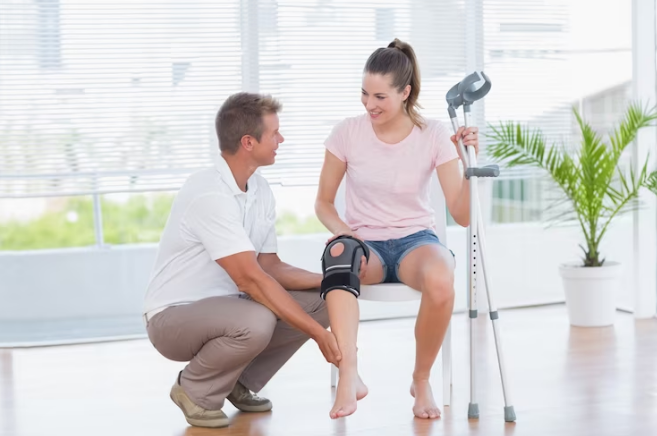
  • Using protective gear: Such as knee braces or supports during sports activities.

Conclusion

Knee ligament injuries can significantly impact daily life and sports participation. Understanding the causes, symptoms, and treatment options is crucial for timely intervention and effective recovery.

If you experience symptoms of a knee ligament injury, seeking prompt medical attention and following a comprehensive rehabilitation plan can enhance outcomes and minimize long-term complications.

Hip Replacement

How Long Does a Modern HIP Replacement Last?

Modern HIP Replacement implants are built to last significantly longer than older-generation implants.

Average Lifespan of Modern HIP Replacements

  • 90–95% of HIP Replacements last 15–20 years
  • Many implants now function well beyond 25 years
  • Some patients maintain excellent implant performance for 30 years or more

Advancements in surgical precision, implant materials, and minimally invasive techniques have improved long-term outcomes dramatically.

Factors influencing implant lifespan include:

  • Patient age
  • Activity level
  • Weight management
  • Bone quality
  • Implant type
  • Surgical technique
  • Rehabilitation quality

Choosing an experienced hip Replacement specialist in Cheshire can also play a major role in long-term implant success.

Why Modern HIP Replacement Results Are Better Today

Today’s hip Replacement surgery in Cheshire uses highly advanced techniques that improve precision, recovery and durability.

  1. Advanced Implant Materials

Modern implants may use:

  • Ceramic-on-polyethylene (CoP)
  • Ceramic-on-ceramic
  • Highly cross-linked polyethylene
  • Titanium alloys

These materials reduce friction and wear, helping implants last longer.

  1. Minimally Invasive Surgical Techniques

Modern minimally invasive approaches cause less muscle damage and can help patients recover faster with improved joint stability.

At the Cheshire Hip & Knee Clinic, minimally invasive hip replacement procedures are part of advanced orthopaedic care.

  1. Improved Surgical Planning

Advanced imaging, digital planning, and precision-based surgical techniques help surgeons position implants more accurately, improving implant longevity and patient outcomes.

  1. Better Rehabilitation Programs

Modern rehabilitation focuses on:

  • Early mobility
  • Strength rebuilding
  • Physiotherapy-guided recovery
  • Joint protection strategies

These improvements help patients regain independence faster after HIP Replacement surgery.

Who May Need HIP Replacement Surgery?

You may benefit from HIP Replacement if you experience:

  • Persistent hip pain
  • Difficulty walking or climbing stairs
  • Hip stiffness
  • Reduced quality of life
  • Pain that interferes with sleep and daily activities
  • Failure of medications or physiotherapy

Common causes include:

  • Osteoarthritis
  • Rheumatoid arthritis
  • Hip injury
  • Avascular necrosis
  • Cartilage damage

At Cheshire Hip & Knee Clinic, the modern Total Hip Replacement Techniques can significantly improve mobility and daily comfort for suitable patients.

Signs Your HIP Replacement Is Functioning Well

A successful HIP Replacement typically allows patients to:

  • Walk comfortably
  • Return to daily activities
  • Sleep with less pain
  • Improve flexibility and movement
  • Regain independence
  • Enjoy better overall quality of life

Many patients return to low-impact activities such as:

  • Walking
  • Cycling
  • Swimming
  • Golf
  • Light exercises

Patient recovery experiences shared on Patient Success Stories – Nikhil Pradhan highlight how modern HIP Replacement surgery can help restore active lifestyles.

What Can Shorten the Life of a HIP Replacement?

Although modern implants are highly durable, certain factors may reduce implant longevity:

  • Excessive high-impact activities
  • Obesity
  • Poor bone health
  • Infection
  • Falls or trauma
  • Implant loosening
  • Smoking

Following your surgeon’s advice and attending regular follow-ups can help maintain long-term joint health.

Can a HIP Replacement Be Revised?

Yes. If an implant wears out, loosens, or develops complications, revision HIP Replacement surgery may be performed.

However, with modern implants and expert surgical techniques, many patients may never require revision surgery during their lifetime.

Recovery After HIP Replacement Surgery

Recovery varies between patients, but many individuals begin walking within days after surgery.

Typical Recovery Timeline

Recovery Stage Expected Timeline
Standing & Walking Within 1–2 days
Reduced Pain Within few weeks
Return to Daily Activities 6–12 weeks
Full Recovery Improvement Several months

Physical therapy and guided rehabilitation are essential for achieving the best possible outcome after HIP Replacement surgery in Cheshire.

Why Choose an Experienced HIP Replacement Specialist?

The experience of the surgeon is one of the most important factors in achieving excellent long-term results.

Patients searching for the Best Hip Replacement Specialist in Cheshire often look for:

  • Extensive orthopaedic experience
  • Advanced surgical expertise
  • Minimally invasive techniques
  • Personalized treatment planning
  • Strong rehabilitation support

Mr Nikhil Pradhan is recognised for advanced hip and knee replacement procedures and comprehensive patient-focused orthopaedic care.

Frequently Asked Questions (FAQs)

  1. Can a HIP Replacement last a lifetime?

In many older patients, modern HIP Replacement implants may last for the remainder of their lives, especially with proper care and moderate activity levels.

  1. What is the best age for HIP Replacement surgery?

There is no single ideal age. Surgery is recommended when hip pain significantly affects mobility and quality of life.

  1. Is walking good after HIP Replacement?

Yes. Walking is one of the best low-impact activities after recovery and helps strengthen muscles and improve joint function.

  1. How painful is HIP Replacement recovery?

Post-surgical discomfort is expected initially, but pain typically improves significantly within weeks as healing progresses.

  1. Can I return to sports after HIP Replacement?

Many patients return to low-impact sports and activities after recovery. Your surgeon will advise which activities are safest.

Conclusion

Modern HIP Replacement surgery offers excellent long-term outcomes, improved mobility, and significant pain relief for patients struggling with hip joint problems. With today’s advanced implants and surgical techniques, many HIP Replacements now last 20–25 years or longer.

If chronic hip pain is affecting your daily life, consulting an experienced specialist can help you understand the best treatment options available.

For expert consultation regarding hip Replacement surgery in Cheshire, advanced orthopaedic care, and minimally invasive joint replacement procedures, visit Nikhil Pradhan Orthopaedic Clinic.

Looking for the Best HIP Replacement Specialist in Cheshire?

Book a consultation with Nikhil Pradhan today to discuss advanced Total HIP Replacement in Cheshire and personalised treatment options designed to restore mobility and improve quality of life.

Visit: Cheshire Hip & Knee Clinic

Dr Nikhil pradhan hip surgeon

Mr. Nikhil Pradhan

Mr. Nikhil Pradhan is a specialist Hip & Knee Surgeon, dedicated to Hip and Knee Surgery, including the latest customised and personalised knee surgery.

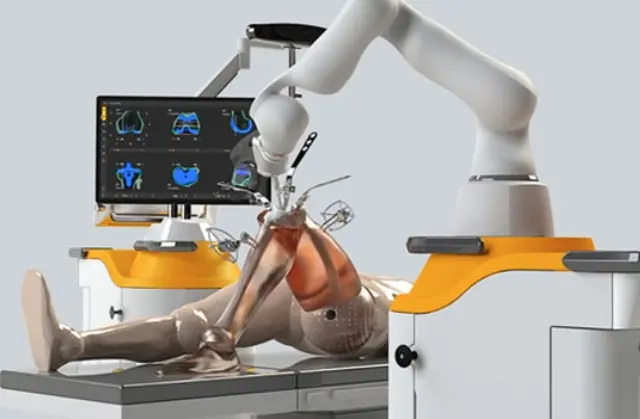
Mr.Nikhil Pradhan has pioneered the i-assist computerized Total Knee Replacement in the UK having performed the first surgery in the UK and has one of the largest series of i-assist Total Knee Replacements.

Our patient testimonials will give you a good overview of our service.

Please do not hesitate to speak to Chris Davies on 01925710401 if you have an queries.

Mr. Nikhil Pradhan
FRCS (Tr & orth); FRCS (Glag); MCh(orth) MBBS; MS (orth); D’(orth); FCPS (orth); DNB (orth) Consultant Orthopaedic Surgeon, Warrington hospital Clinical Orthopaedic Research Group, Wrightington hospital.

Heat Pack Vs Cold Pack Pain

Ice vs Heat: Which Method is Better to Treat Aches and Pain?

Ice Vs. Heat: When to Use Which for Aches & Pain?Everyone, once in a while, experience muscle straining, ligament spraining, headache or some other form of aches and pain in the body throughout life.But when you do feel pain, you might wonder which is best for pain relief - ice or heat? Or can you benefit from using both? These are a few questions that...
Robotic Joint Replacement Different

How is a Robotic Joint Replacement Different?

Traditional Surgery vs. Robotic Joint ReplacementTraditional joint replacements are open surgeries in which the worn-out or damaged surfaces of the joint are replaced with prosthetics or implants. These artificial structures are made of different materials such as metals, plastics, ceramics or a combination of them. Conventional joint replacement surgery...
How to recover fast from Hip and Knee Replacement

How to Speed Up Your Recovery after Hip or Knee Replacement

Recovery after hip or knee replacement surgery and returning to normal activities is a gradual process. The recovery time varies from one patient to another and depends on many factors. Following the right recovery process is essential for the best results that include better mobility and lesser pain. If you live in the UK and are scheduled for joint...
how to identify Arthritis

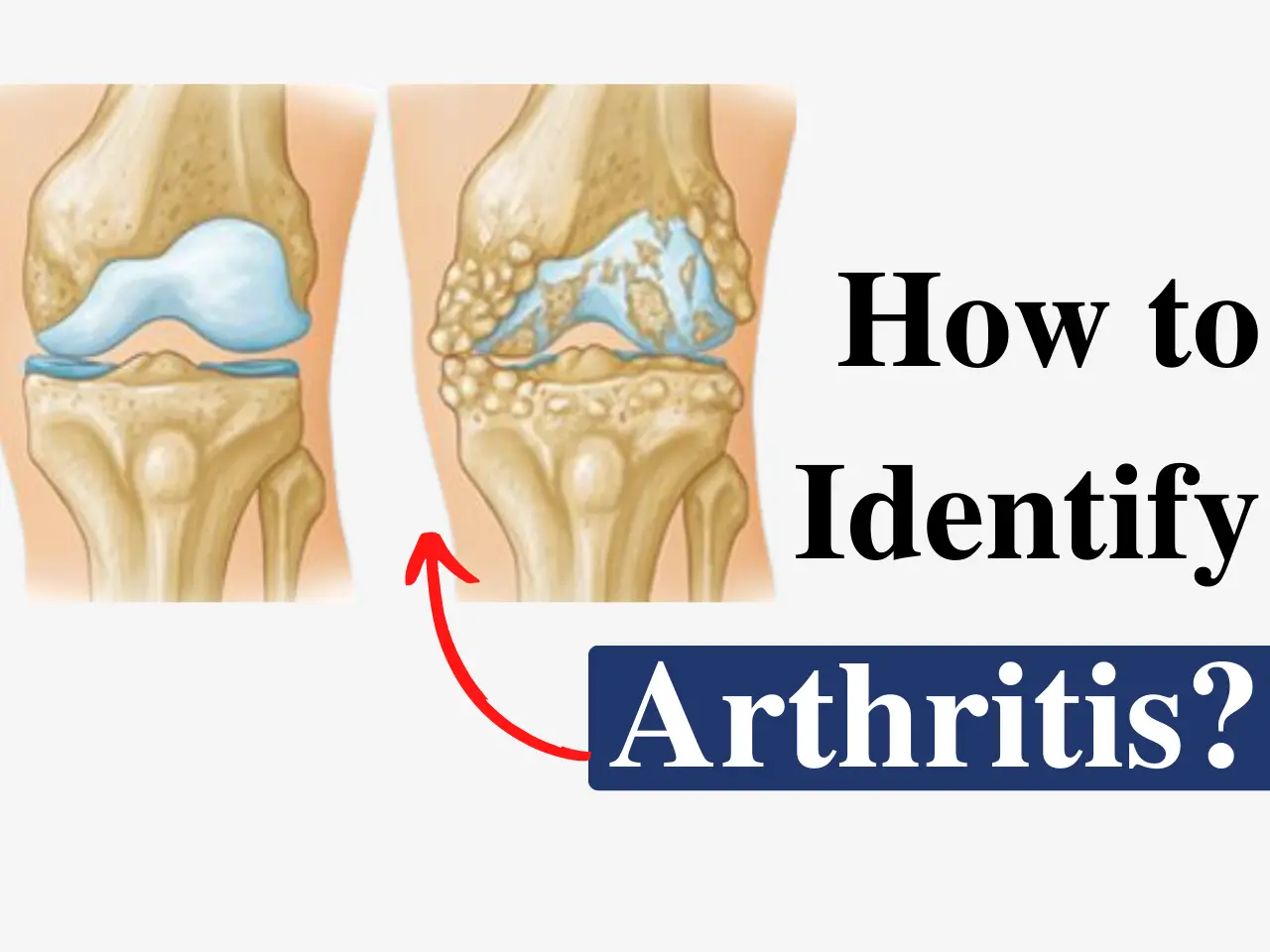
How to Identify Arthritis?

Arthritis is a term used to describe the inflammation of one or more joints in the body, which causes pain, stiffness, and difficulty in movement. It affects people of all ages and can lead to a decreased quality of life if left untreated. In this blog, we will discuss how to identify arthritis, its symptoms, and its causes.What is Arthritis:Arthritis is a...
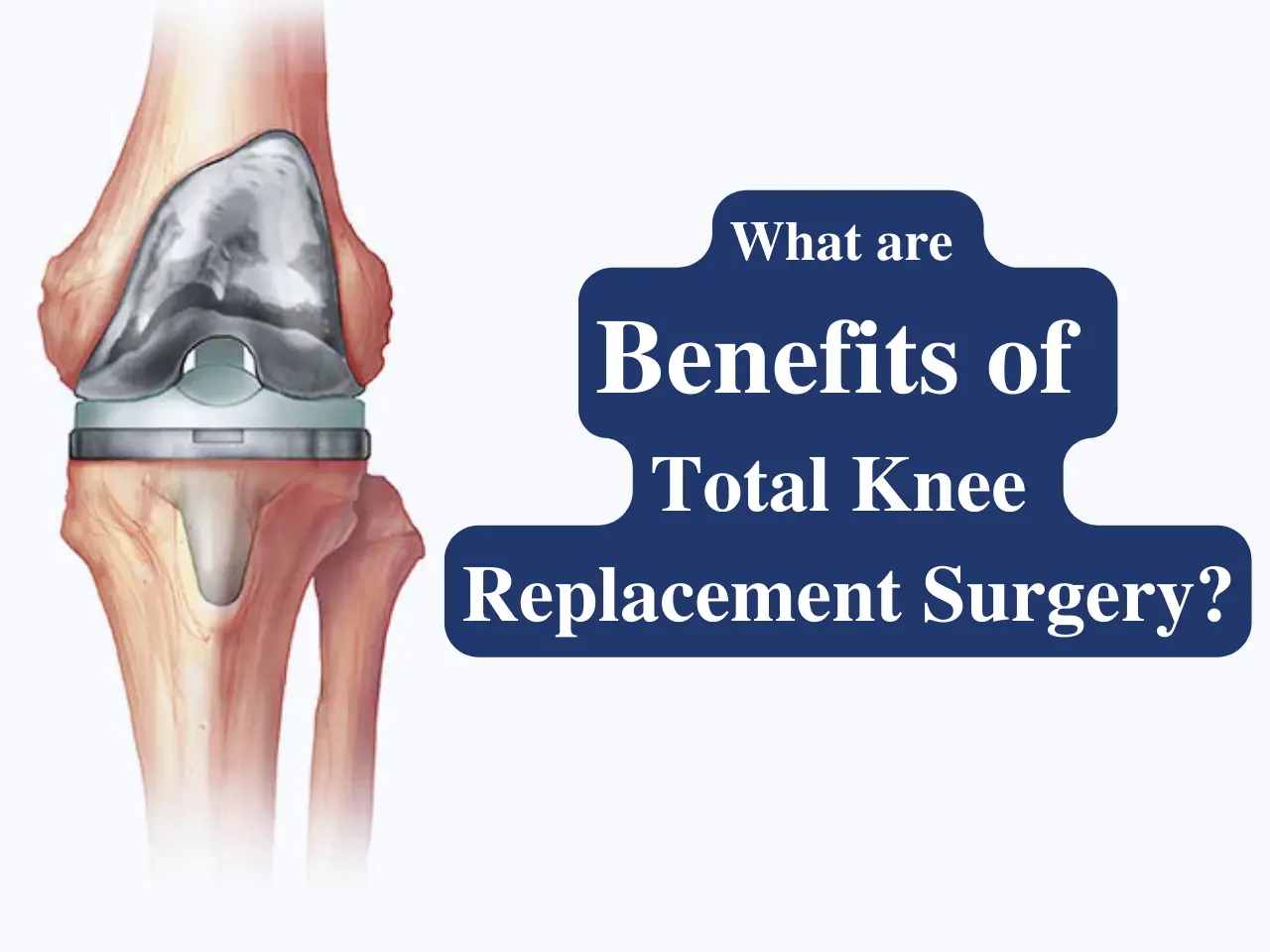
Benefits of Total Knee replacement

What are Benefits of Total Knee Replacement Surgery?

Knee pain can have a significant impact on your quality of life, making it difficult to perform daily activities and enjoy the things you love. If you are experiencing chronic knee pain and non-surgical treatments are not providing relief, then it may be time to consider total knee replacement surgery. In this blog, we will discuss the benefits of total...
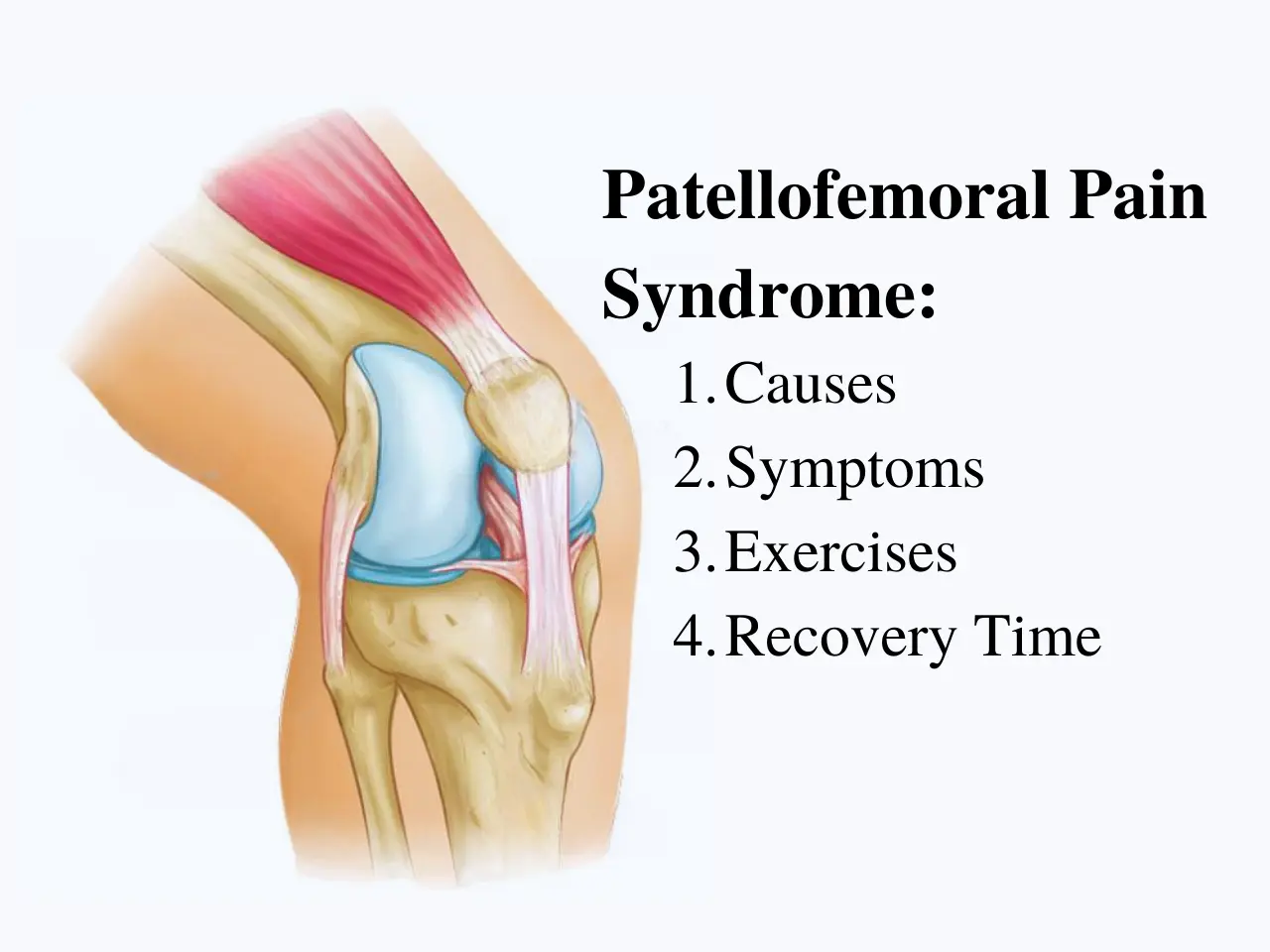
Patellofemoral Pain syndrome

Patellofemoral Pain Syndrome: Causes, Symptoms, Exercises, and Recovery Time

Patellofemoral Pain Syndrome (PFPS) is a common knee condition that affects athletes, runners, and people who are physically active. PFPS is characterized by pain in the front of the knee around the patella (kneecap) and the femur (thigh bone). The pain may be mild or severe, and it can worsen when running, squatting, or climbing stairs. Causes of...
Common Orthopaedic Conditions

Common Orthopaedic Conditions

Introduction: Orthopaedic conditions can have a significant impact on an individual's daily life, causing pain, limited mobility, and decreased quality of life. Mr. Nikhil Pradhan, a highly regarded orthopaedic specialist, emphasizes the importance of understanding the causes and treatment options for these conditions. In this article, we will explore the...
how to prevent sports injuries

Preventing Sports Injuries: Tips for Athletes in the UK

Introduction: In the world of sports, preventing injuries is crucial for athletes to maintain their performance and overall well-being. By following proper injury prevention strategies, athletes can reduce the risk of sports-related injuries. This article provides valuable tips on how to prevent sports injuries, highlights common types of sporting...
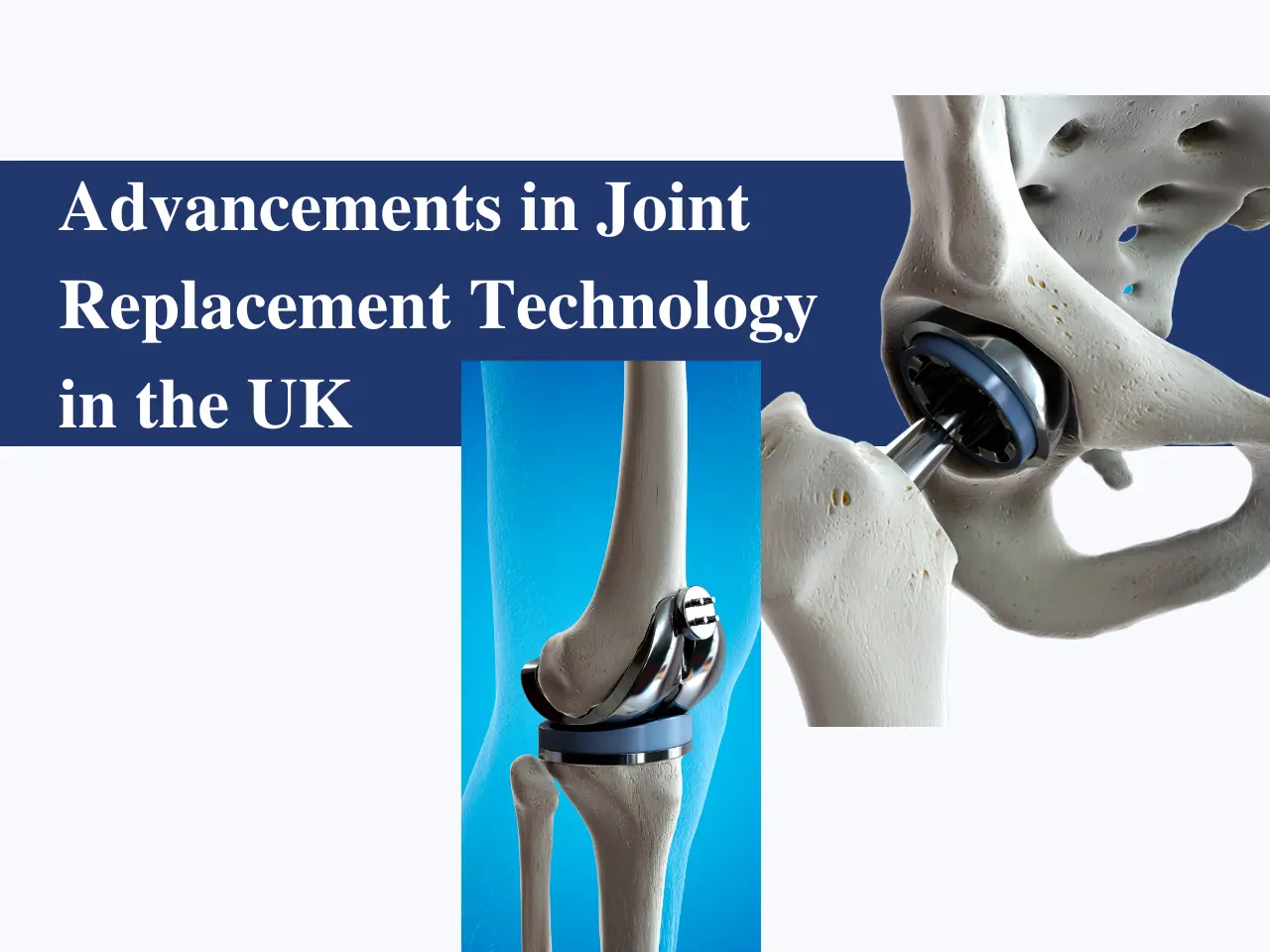
Advancements in Joint Replacement

Advancements in Joint Replacement Technology in the UK

Introduction: Joint replacement surgery has evolved significantly over the years, offering improved outcomes and quality of life for patients. In the UK, the field of joint replacement is witnessing exciting advancements in technology, revolutionizing the way these procedures are performed. This article explores the new and future technologies in joint...
Arthritis Symptoms and treatments

Arthritis: Symptoms, Causes, Types & Treatment

Arthritis is a condition that affects the joints, causing pain, inflammation, and stiffness. It can significantly impact a person's quality of life and mobility. There are various types of arthritis, each with its own causes and symptoms. Seeking proper treatment, including the expertise of an orthopedic surgeon, is crucial for managing arthritis...