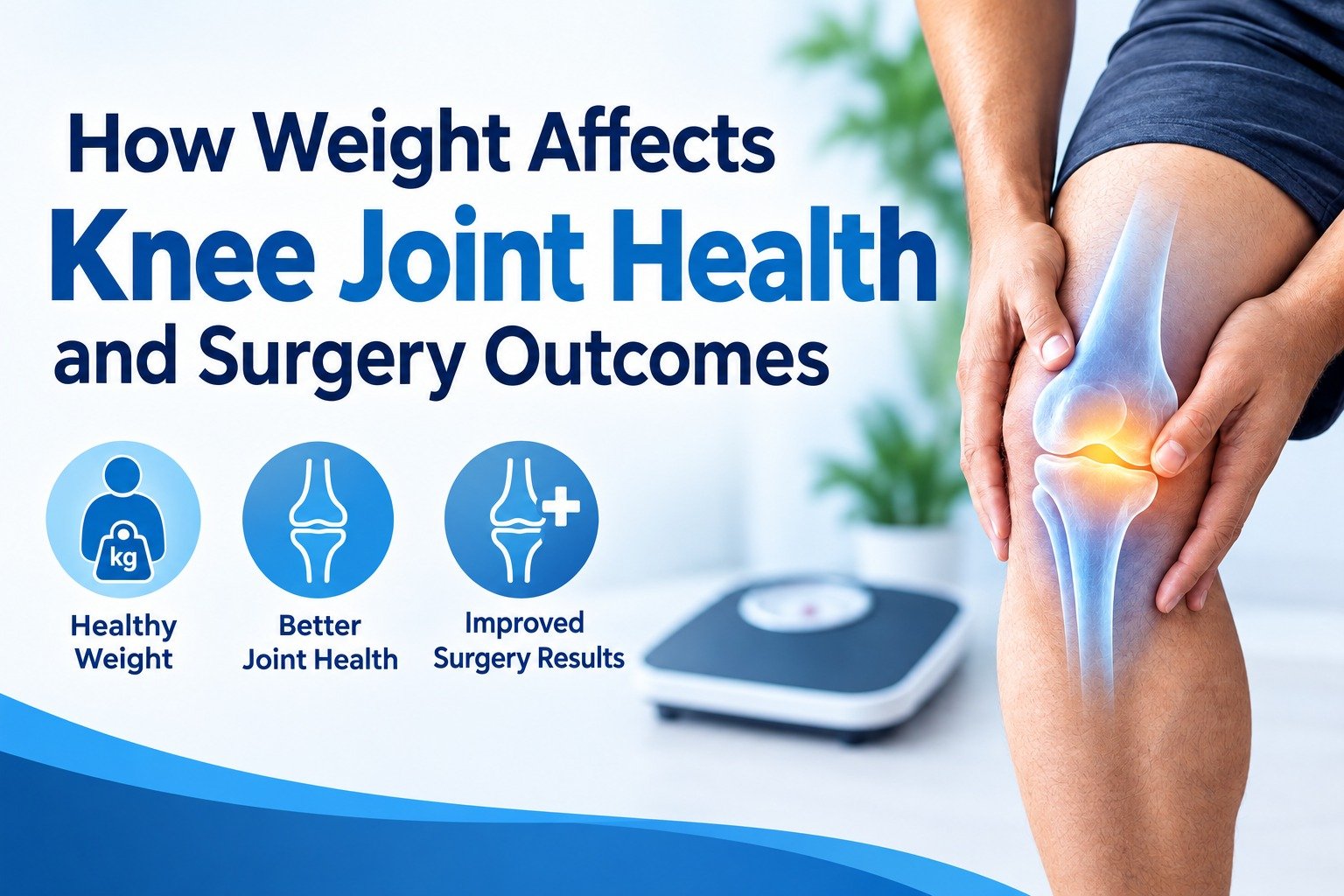
Knee pain is one of the most common reasons people in Cheshire, UK seek help from an orthopedic specialist. While age, injury, and genetics all play a role in joint health, one factor stands out as both significant and controllable: body weight. Understanding the connection between weight and knee health can help you make informed decisions about prevention, treatment, and if needed surgery.

The Link Between Body Weight and Knee Health
Your knees are weight-bearing joints, which means every extra kilogram you carry places additional stress on the cartilage, ligaments, and bones that make up the joint. Research consistently shows that for every pound of body weight, the knee experiences several times that amount of pressure during everyday activities like walking, climbing stairs, or standing up from a seated position.
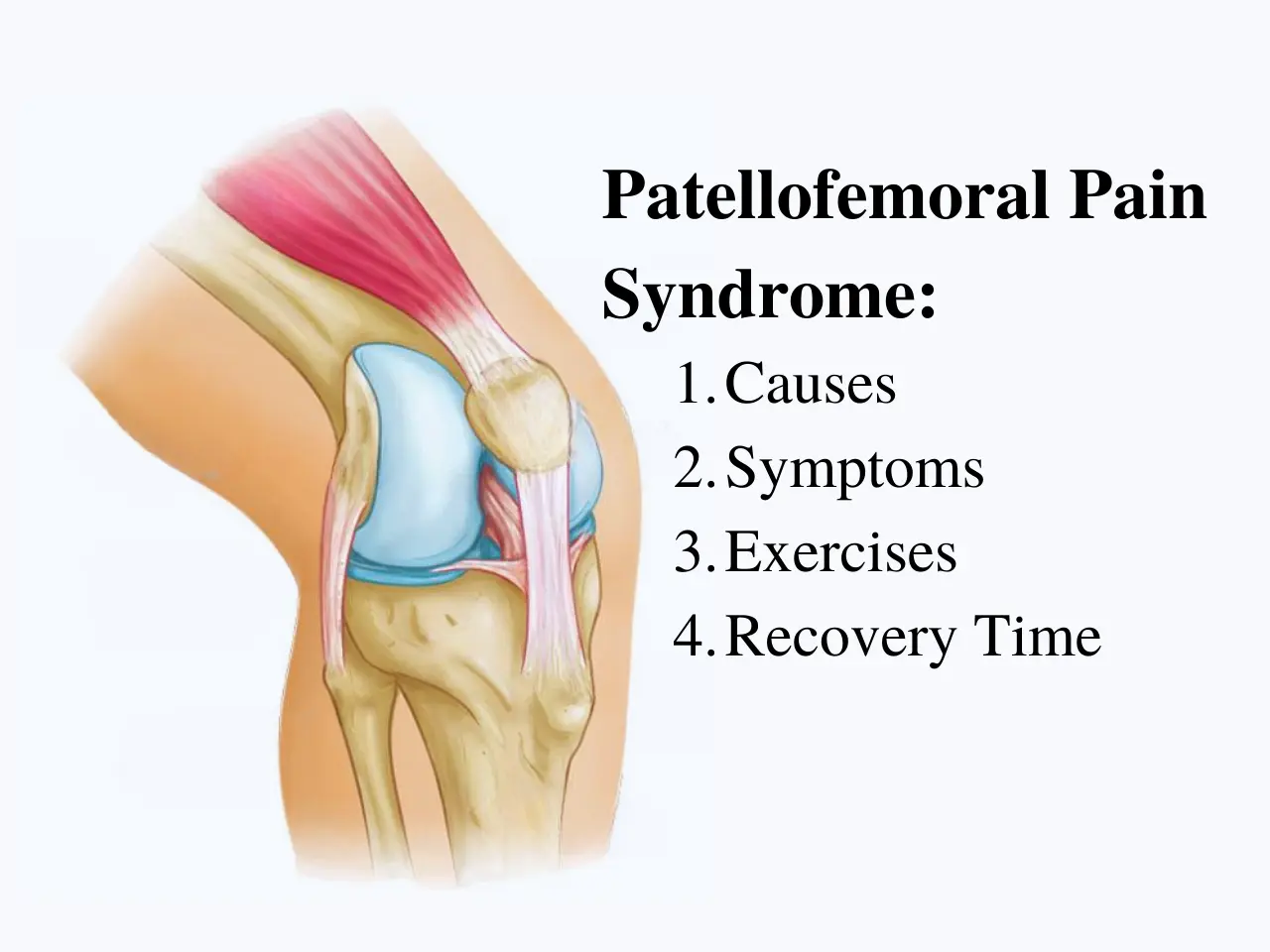
Over time, this added pressure accelerates the wear and tear of cartilage, the smooth tissue that allows your knee to move without friction. Once cartilage begins to break down, a condition called osteoarthritis develops, leading to stiffness, swelling, and chronic pain. Excess weight doesn’t just increase mechanical stress — fat tissue produces inflammatory chemicals that can further damage joint tissue from within, compounding the problem.
Why Weight Matters Before Considering Surgery
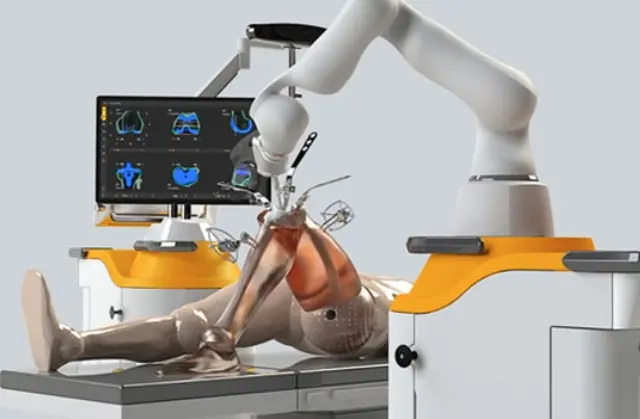
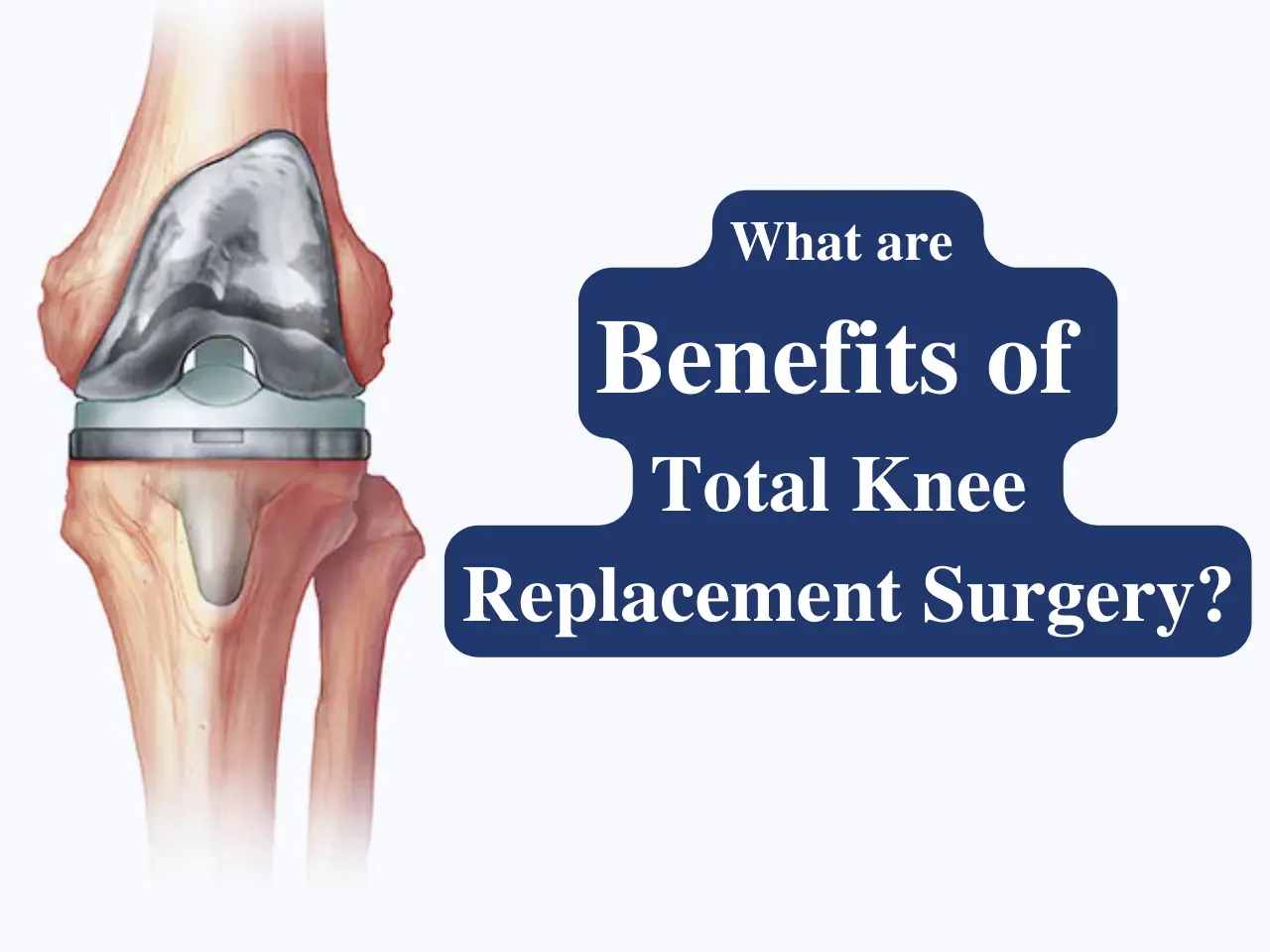
If you’ve been told you may need a partial knee replacement or full knee replacement surgery, your weight will almost certainly come up in the conversation with your surgeon. This isn’t about appearance or judgment it’s about giving you the safest possible outcome and the longest-lasting result from your procedure.
Carrying excess weight before surgery is associated with:
- Higher surgical risk — including longer operating times, increased blood loss, and a higher chance of complications during anaesthesia.
- Slower wound healing — which can raise the risk of infection at the incision site.
- Increased strain on the new joint — potentially shortening the lifespan of the implant and increasing the likelihood of needing revision surgery later.
- Longer recovery times — as mobility and physiotherapy progress more slowly when a joint is under greater load.
This is why many specialists recommend a structured weight management plan in the months leading up to surgery, particularly for patients being evaluated for a partial knee replacement, where preserving surrounding healthy bone and tissue is a key part of the procedure’s success.
How Weight Loss Improves Surgical Outcomes
The encouraging news is that even modest weight loss can make a measurable difference. Studies have shown that losing just 5–10% of body weight before knee surgery can:
- Reduce post-operative complications
- Shorten hospital stays
- Improve mobility scores in the weeks following surgery
- Reduce pain levels during recovery
- Support better long-term function of the replaced joint
For patients who are significantly overweight, some surgeons may recommend achieving a specific BMI target before scheduling a knee replacement surgery, both to reduce operative risk and to improve the durability of the implant.
Managing Weight Alongside Knee Pain
One of the frustrating realities of knee osteoarthritis is that pain often makes exercise more difficult, which can create a cycle where reduced activity leads to further weight gain, which in turn worsens joint pain. Breaking this cycle usually requires a combined approach:
- Low-impact exercise such as swimming, cycling, or using an elliptical machine, which strengthens the muscles supporting the knee without excessive joint loading
- Dietary adjustments guided by a nutritionist or GP, focused on sustainable changes rather than rapid weight loss
- Physiotherapy to maintain joint mobility and muscle strength while minimising pain
- Pain management strategies discussed with your orthopedic team, which may include medication, injections, or bracing while you work toward a healthier weight
When to See an Orthopedic Specialist
If knee pain is affecting your daily activities, sleep, or mobility, it’s worth consulting the best orthopedic surgeon you can find early rather than waiting until the condition becomes severe. Early evaluation allows for a broader range of treatment options, including non-surgical interventions, weight management support, and when appropriate timely referral for a partial or full knee replacement.
An experienced orthopedic surgeon will assess your joint condition, overall health, and weight in the context of your individual circumstances, helping you understand which treatment path offers the best balance of safety and long-term relief.
Finding the Right Support in Cheshire, UK
Patients across Cheshire, UK have access to specialist orthopedic care that takes a whole-person approach to knee health considering not just the joint itself, but the lifestyle factors, including weight, that influence both the need for surgery and its outcomes. Whether you’re exploring non-surgical options, preparing for a partial knee replacement, or recovering from a full knee replacement, working with a knowledgeable orthopedic team can make a significant difference in your results.
Final Thoughts
Weight is one of the few factors affecting knee health that you have real control over. Whether you’re hoping to delay the need for surgery or preparing for a partial knee replacement or knee replacement surgery, taking steps toward a healthier weight can improve your outcomes, reduce risks, and support a smoother recovery.
If you’re experiencing persistent knee pain in Cheshire, UK, speaking with a qualified orthopedic specialist is the best first step toward understanding your options and building a treatment plan tailored to your needs.
Frequently Asked Questions
- How much does weight actually affect knee pain?
Every extra kilogram adds multiplied pressure on the knee joint during walking and other daily movements. This added load speeds up cartilage breakdown, which is why weight management is one of the most effective ways to reduce knee pain and slow the progression of osteoarthritis.
- Do I need to lose weight before a partial knee replacement?
Not always, but many surgeons recommend it if you’re significantly overweight. Losing even 5–10% of your body weight before surgery can lower the risk of complications, support faster healing, and improve the long-term durability of the implant.
- Can losing weight help me avoid knee replacement surgery altogether?
In some cases, yes. Weight loss combined with physiotherapy and low-impact exercise can reduce pain and improve joint function enough to delay or, for some patients, avoid the need for surgery entirely. This depends on the extent of joint damage, so an orthopedic assessment is important.
- What is the difference between a partial and full knee replacement?
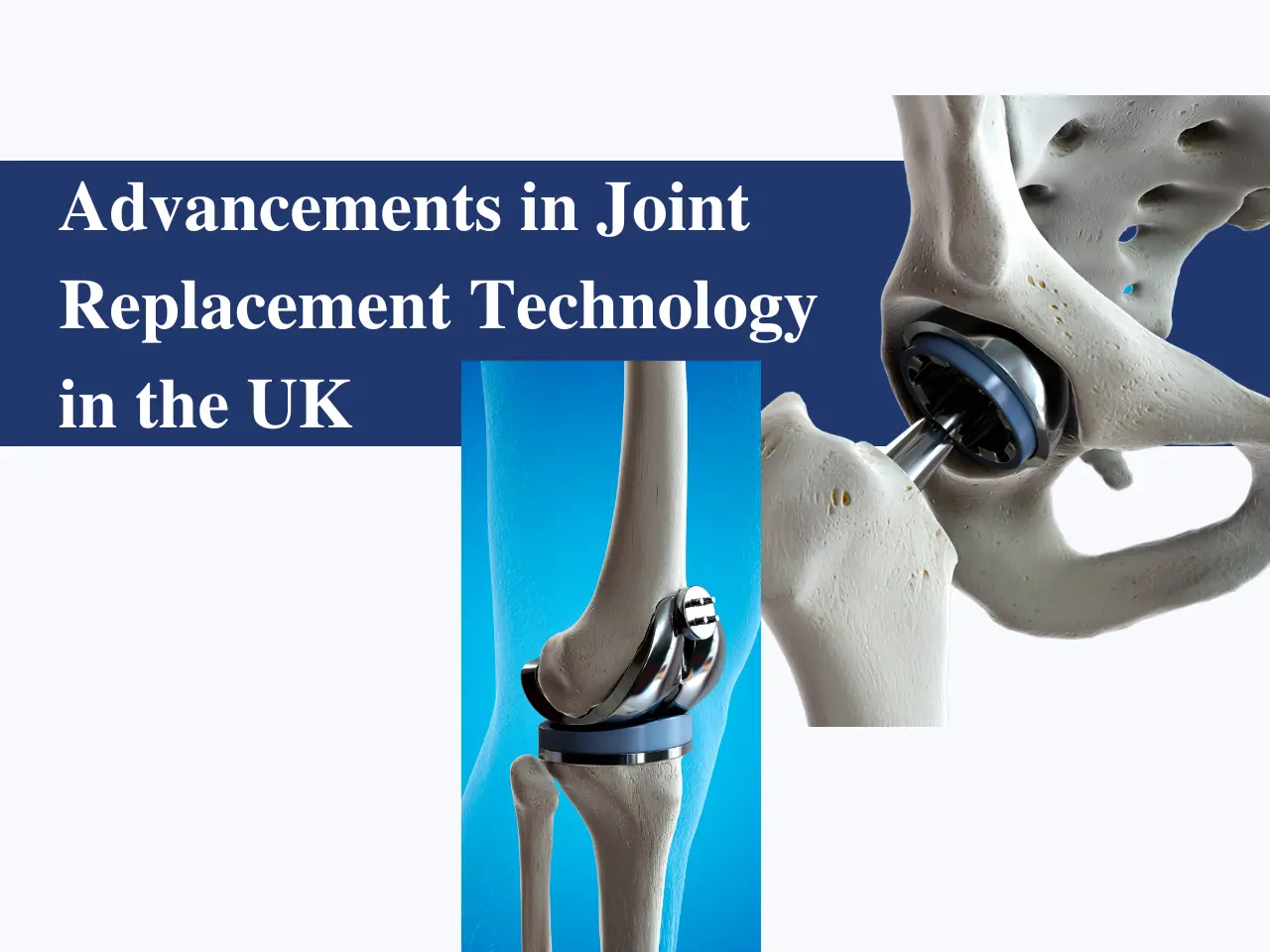
A partial knee replacement replaces only the damaged section of the joint, preserving healthy bone and tissue, and typically involves a shorter recovery. A full knee replacement replaces the entire joint surface and is usually recommended when damage is more widespread.
- How do I find the best orthopedic surgeon in Cheshire, UK for knee treatment?
Look for a surgeon with specific experience in knee osteoarthritis and joint replacement, strong patient outcomes, and a personalised approach that considers factors like your weight, activity level, and overall health when recommending a treatment plan.