Hip pain can significantly affect mobility, daily activities, and overall quality of life. For many patients experiencing chronic hip discomfort, hip joint injections provide an effective non-surgical treatment option.
These injections are designed to reduce inflammation, relieve pain, and improve joint function.
Patients who undergo Hip Joint Injection for Pain Relief in Cheshire often experience noticeable improvement in their symptoms. However, achieving the best results depends not only on the treatment itself but also on proper hip injection recovery and aftercare.
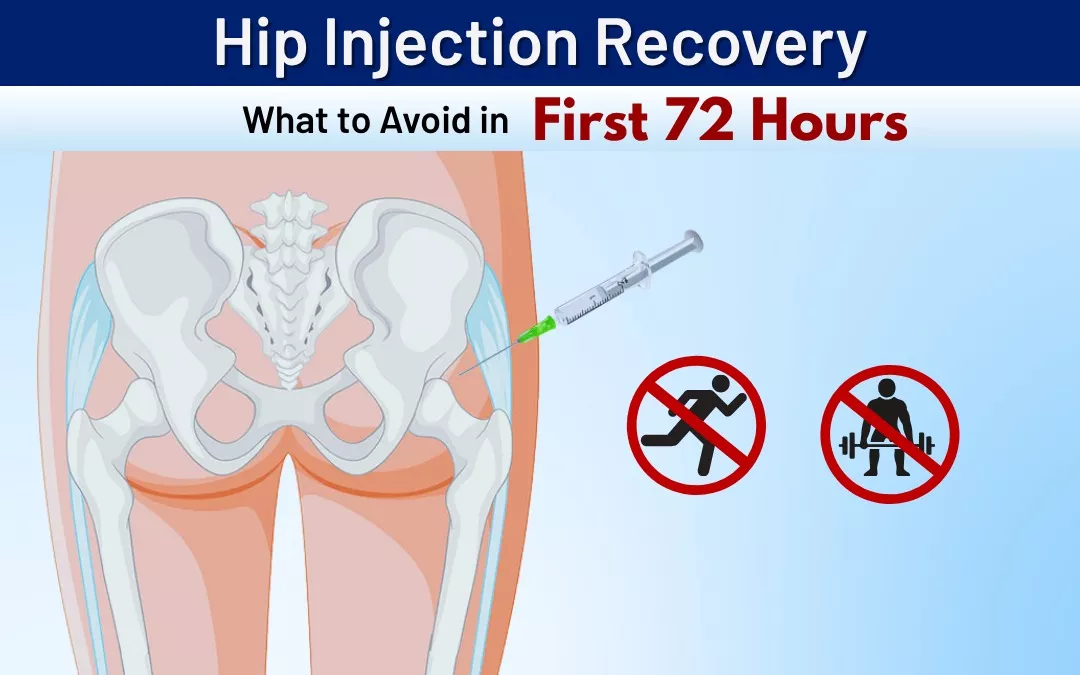
The first 72 hours after hip injection are particularly important because this is when the medication begins working to reduce inflammation.
Following the right post hip injection care instructions and understanding what to avoid after hip injection can significantly improve recovery outcomes.
Mr. Nikhil Pradhan, a highly experienced hip specialist in Cheshire, provides advanced hip joint injections and comprehensive guidance to help patients recover safely and comfortably.
This article explains everything you need to know about hip steroid injection recovery time, activities to avoid after hip injection, and how to recover after hip injection effectively.
What is a Hip Joint Injection?
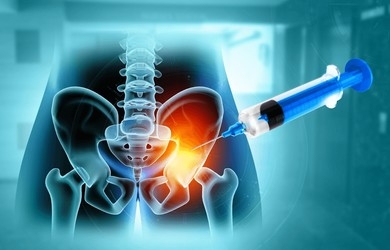
A hip joint injection is a minimally invasive medical procedure used to diagnose and treat hip pain.
The injection is typically delivered directly into the hip joint using imaging guidance to ensure accuracy.
The injection usually contains:
- Corticosteroids, which reduce inflammation within the joint
- Local anesthetic, which provides temporary pain relief immediately after the procedure
This treatment is commonly used for patients experiencing:
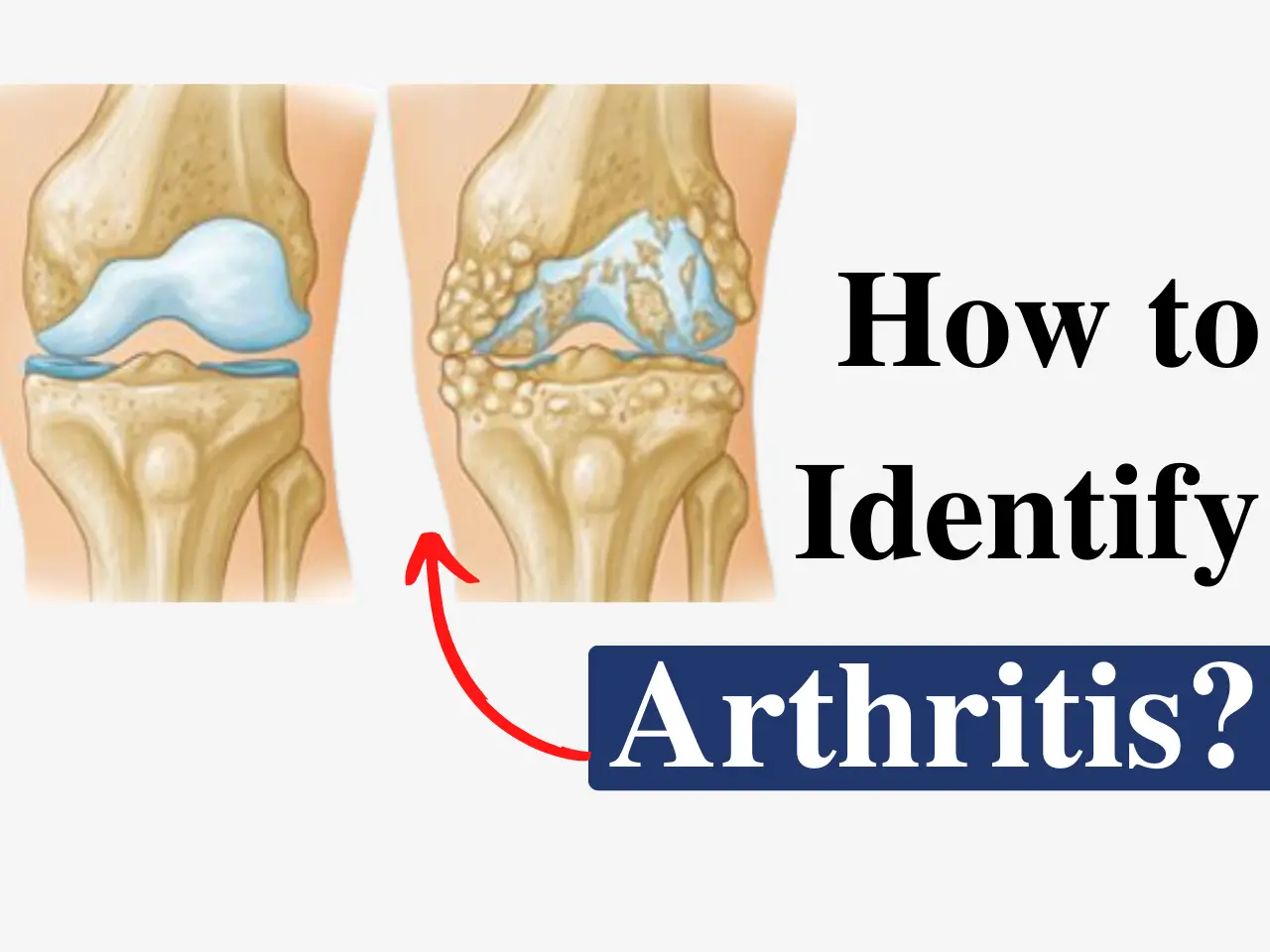
- Osteoarthritis of the hip
- Hip bursitis
- Labral tears
- Inflammatory joint conditions
- Chronic hip pain that has not improved with medication or physiotherapy
Many patients choose Hip Joint Injection for Pain Relief in Cheshire because it provides targeted relief without requiring surgery.
Who May Benefit from Hip Injections?
Hip joint injections are often recommended for individuals who experience persistent hip pain that interferes with daily activities.
Patients may benefit from this treatment if they experience:
- Chronic hip joint pain
- Reduced range of motion
- Pain while walking, standing, or sitting
- Difficulty performing daily activities
- Pain that does not respond to conservative treatments
Mr. Nikhil Pradhan, hip specialist in Cheshire, offers expert evaluation and personalized treatment plans to help patients manage hip pain effectively through advanced injection therapies.
Why the First 72 Hours After Hip Injection Are Important
The Initial Recovery Phase
The first 72 hours after hip injection are crucial for recovery. During this period, the medication begins working to reduce inflammation in the joint and improve mobility.
Immediately after the injection, patients may feel temporary relief due to the anesthetic. However, the steroid component takes some time to start working.
Proper hip injection aftercare during this period helps ensure the medication works effectively and reduces the risk of irritation or complications.
Key reasons why this period is important include:
- The steroid medication begins reducing inflammation
- The body adjusts to the injection
- Excessive activity can interfere with treatment effectiveness
Following recommended post hip injection care can significantly improve overall results.
Hip Steroid Injection Recovery Time
Recovery timelines can vary depending on the patient and the underlying condition being treated.
Typical hip steroid injection recovery time includes:
- Immediate relief from anesthetic lasting several hours
- Steroid effect beginning within 24–72 hours
- Full relief often experienced within 5–7 days
Some patients may experience mild soreness at the injection site during the first day, which usually resolves quickly.
Understanding how to recover after hip injection and avoiding certain activities during the first few days helps maximize treatment benefits.
What to Avoid After Hip Injection (First 72 Hours)
Proper precautions during the first 72 hours after hip injection play a key role in successful recovery. Patients should avoid activities that place excessive stress on the hip joint.
Avoid High-Impact Activities
High-impact movements can irritate the hip joint and slow down cortisone hip injection recovery.
Activities to avoid after hip injection include:
- Running or jogging
- Jumping exercises
- High-intensity gym workouts
- Heavy lifting
- Sports such as football, tennis, or basketball
These activities can place significant pressure on the hip joint and should be avoided until your doctor confirms it is safe to resume them.
Avoid Prolonged Standing or Walking
While light movement is encouraged to prevent stiffness, excessive walking or standing can strain the hip joint during recovery.
Patients should avoid:
- Long walks or hikes
- Standing for extended periods
- Repeated stair climbing
- Carrying heavy items while walking
Giving the joint time to heal is an important part of hip injection recovery.
Avoid Strenuous Exercise
Many patients ask about exercise after hip injection and when they can return to their normal workout routine.
During the first few days after the injection, strenuous exercise should be avoided.
Exercises to avoid include:
- Squats
- Lunges
- Cycling
- Running
- High-intensity interval training
Instead, patients should focus on rest and gentle movement if recommended by their healthcare provider.
Avoid Driving Long Distances
Driving can put pressure on the hip joint, particularly if the injection was administered on the right side.
Patients should avoid:
- Long-distance driving
- Sitting for extended periods in one position
- Driving immediately after the procedure if numbness is present
Short trips may be acceptable depending on how you feel, but always follow your doctor’s advice.
Avoid Alcohol and Certain Medications
For optimal post hip injection care, patients should avoid alcohol and certain medications for the first 24–48 hours.
Alcohol and non-prescribed anti-inflammatory medications may interfere with the steroid medication’s effectiveness.
Patients should:
- Avoid alcohol consumption
- Follow medication instructions carefully
- Only take medications recommended by their doctor
Avoid Sleeping Positions That Strain the Hip
Your sleeping position after hip injection can influence comfort and recovery.
Patients should avoid:
- Sleeping directly on the injected hip
- Twisting the hips while sleeping
- Positions that place pressure on the injection site
Recommended sleeping positions include:
- Sleeping on your back with a pillow under your knees
- Sleeping on the opposite side with a pillow between your knees
These positions help keep the hip joint aligned and reduce discomfort.
Hip Injection Aftercare: Tips for a Smooth Recovery
Proper hip injection aftercare helps reduce inflammation, improve mobility, and enhance the effectiveness of the treatment.
Hip Joint Injection Recovery Tips
Following these simple hip joint injection recovery tips can support healing:
- Rest for the first 24 hours
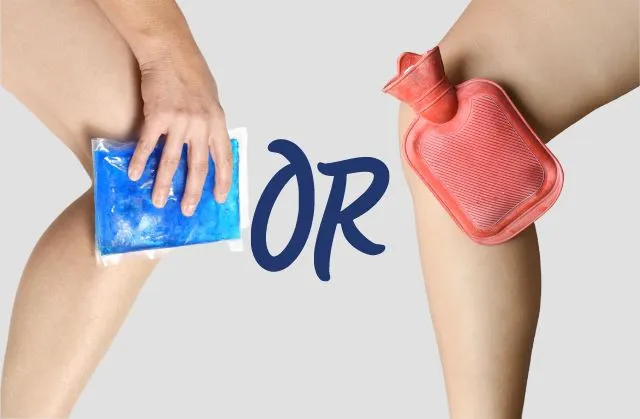
- Apply ice packs to reduce swelling
- Keep the injection site clean and dry
- Stay hydrated
- Follow all medical advice provided by your specialist
Light movement can also support circulation and prevent stiffness.
Examples of gentle activities include:
- Short indoor walks
- Light daily activities
- Gentle stretching if recommended by your doctor
How to Recover After Hip Injection Faster
Patients often want to know how to recover after hip injection quickly and safely. The key is balancing rest with gradual movement.
Follow a Structured Recovery Plan
To improve hip steroid injection recovery time, patients should:
- Gradually increase activity levels
- Avoid sudden or intense physical strain
- Follow physiotherapy recommendations if prescribed
- Maintain good posture while sitting or walking
Maintain a Healthy Lifestyle
Healthy lifestyle habits can support joint recovery and reduce inflammation.
Helpful habits include:
- Maintaining a healthy body weight
- Eating anti-inflammatory foods such as fruits, vegetables, and fish
- Staying active without overloading the hip joint
- Drinking adequate water
When to Resume Exercise After Hip Injection
Returning to exercise should be done gradually.
Typical timeline for exercise after hip injection:
- First 72 hours: Rest and gentle movement
- 3–5 days: Light stretching and mobility exercises
- 1 week: Low-impact activities such as walking or swimming
- 2 weeks: Gradual return to regular exercise routines
Always consult your doctor before resuming strenuous exercise.
When to Contact Your Doctor
Although complications are uncommon, patients should contact their doctor if they experience:
- Severe swelling around the injection site
- Persistent redness or warmth
- Fever
- Increasing pain instead of improvement
- Numbness or weakness in the leg
If any unusual symptoms occur during hip injection recovery, it is important to seek medical advice promptly.
Hip Joint Injection for Pain Relief in Cheshire
Patients suffering from chronic hip pain can benefit from specialized treatment and expert care.
Mr. Nikhil Pradhan in Cheshire provides advanced solutions for hip pain, including Hip Joint Injection for Pain Relief in Cheshire. As an experienced hip specialist in Cheshire, he offers:
- Accurate diagnosis of hip conditions
- Image-guided hip injections for precision treatment
- Personalized care plans for every patient
- Comprehensive guidance on recovery and rehabilitation
His goal is to help patients regain mobility, reduce pain, and return to their daily activities comfortably.
Conclusion
Hip injections are an effective and minimally invasive treatment for managing hip pain and inflammation.
However, successful outcomes depend heavily on proper hip injection recovery and post hip injection care, especially during the first 72 hours after hip injection.
Understanding what to avoid after hip injection, following hip joint injection recovery tips, and allowing the body adequate time to heal can significantly improve treatment results.
With expert guidance from Mr. Nikhil Pradhan, hip specialist in Cheshire, patients can safely recover and experience lasting relief from hip pain.
FAQs
How long does hip steroid injection recovery time take?
Most patients begin to notice improvement within 24–72 hours, although the full effects of the injection may take 5–7 days to appear.
What activities should I avoid after hip injection?
Patients should avoid high-impact activities, heavy lifting, intense exercise, prolonged standing, and sports during the first few days to ensure proper hip injection recovery.
Can I exercise after hip injection?
Light activity may be allowed, but exercise after hip injection such as running, squats, or high-intensity workouts should be avoided for several days unless approved by your doctor.
What is the best sleeping position after hip injection?
The recommended sleeping position after hip injection is sleeping on your back or on the opposite side with a pillow between your knees to reduce pressure on the hip joint.
What helps speed up hip joint injection recovery?
Effective hip joint injection recovery tips include resting during the first day, applying ice packs, avoiding strenuous activities, staying hydrated, and following your doctor’s aftercare instruction