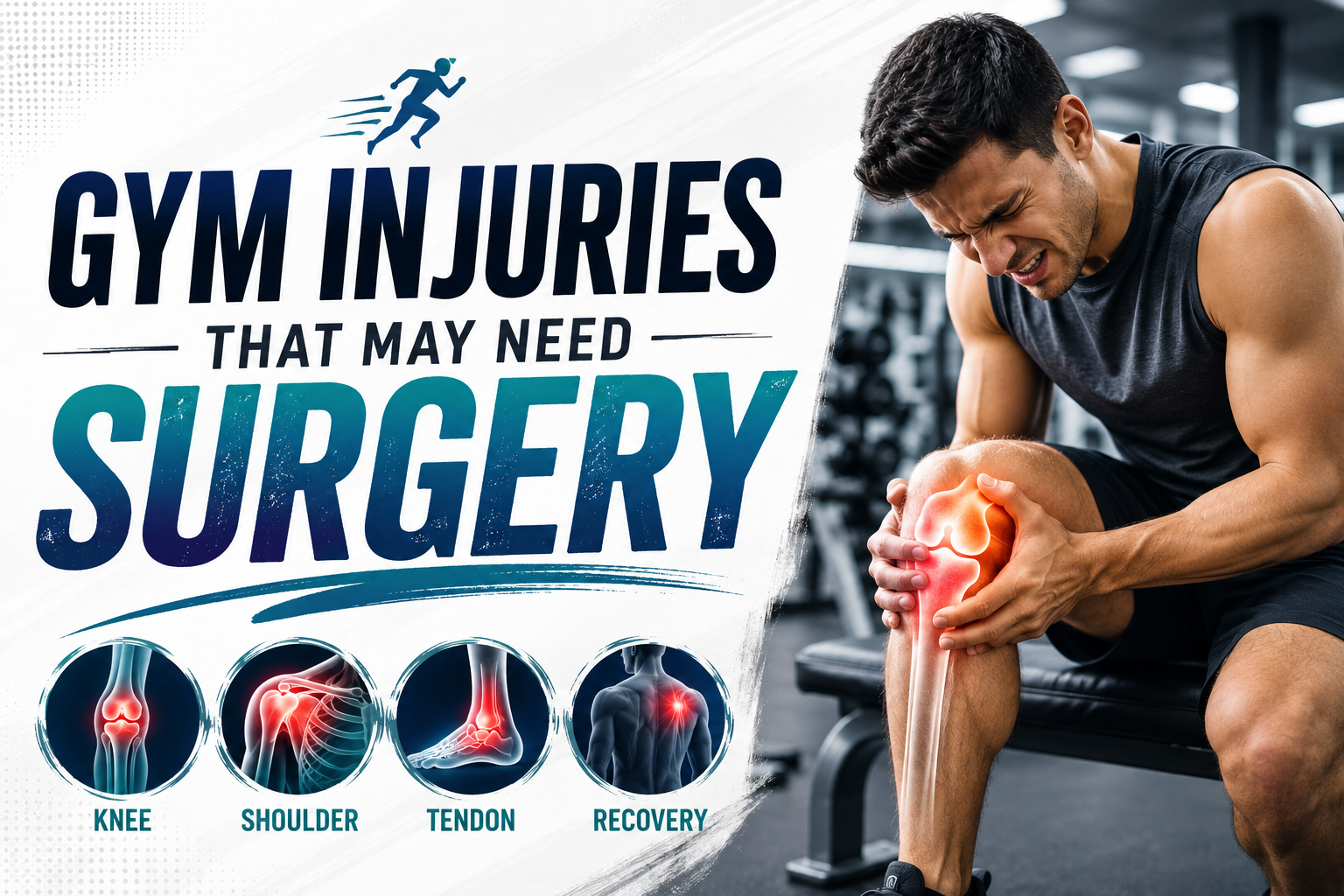
Going to the gym regularly is an excellent way to improve strength, mobility, cardiovascular fitness, and overall health. However, incorrect exercise techniques, excessive training, inadequate recovery, and sudden increases in workout intensity can sometimes result in sports injuries. While many gym-related injuries improve with rest, physiotherapy, and other non-surgical treatments, some severe injuries may eventually require surgery.
Understanding common gym injuries, their warning signs, and when to seek specialist care can help you protect your joints and return to exercise safely. If you experience persistent pain or a significant injury, consulting an experienced orthopedic surgeon in Cheshire, UK can help determine the most appropriate treatment.
1. ACL Injuries
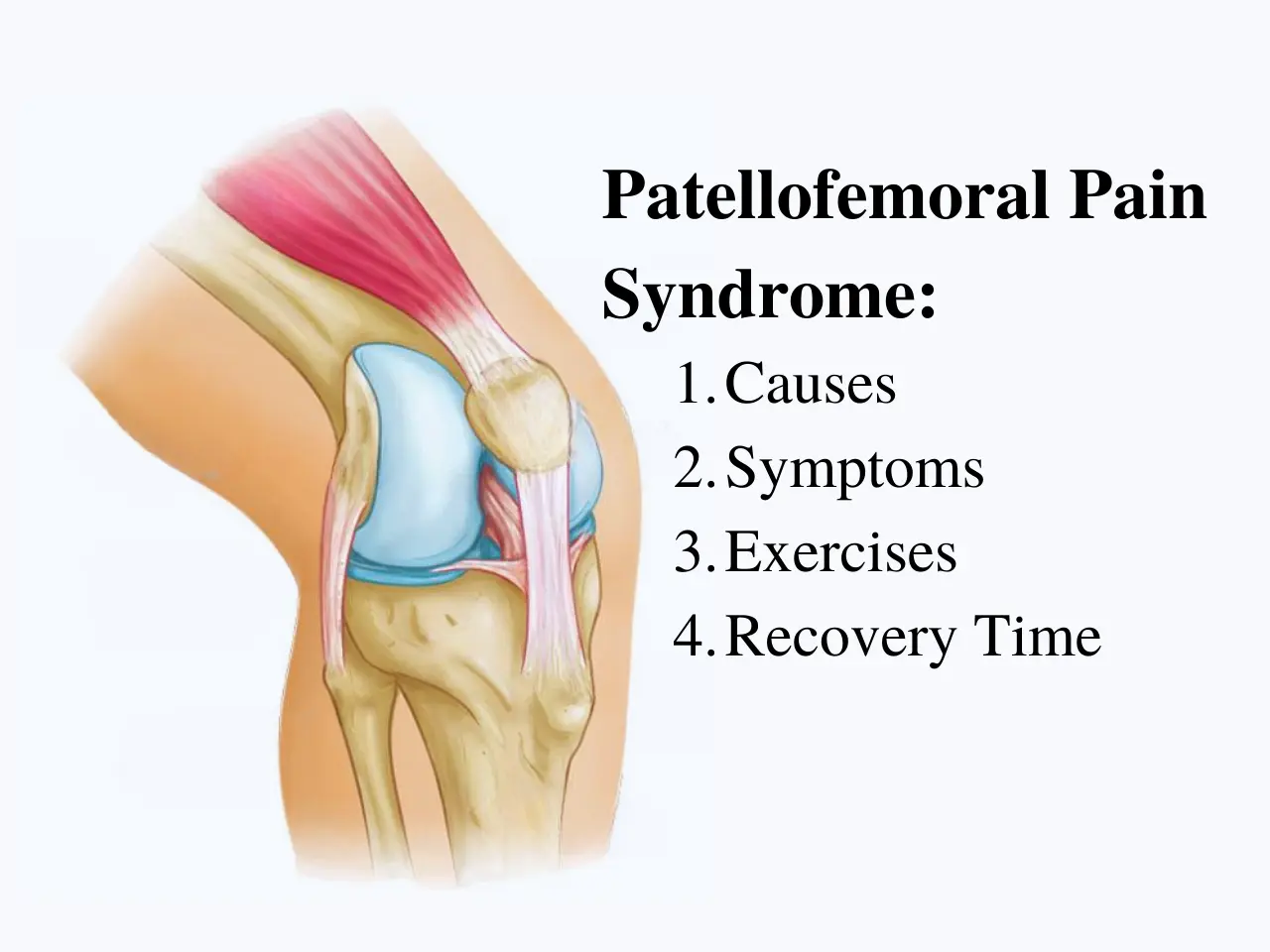
The anterior cruciate ligament (ACL) is one of the major ligaments supporting the knee. Although ACL injuries are often associated with football and other competitive sports, they can also occur during gym workouts, particularly exercises involving jumping, sudden direction changes, or improper landing.
A torn ACL may cause:
- A popping sensation at the time of injury
- Knee swelling
- Difficulty bearing weight
- Knee instability
- Reduced range of motion
Minor injuries may sometimes be managed with rehabilitation. However, a complete ACL tear, particularly in an active person who wants to return to sports, may require reconstructive surgery.
2. Meniscus Tears
The menisci are pieces of cartilage that act as shock absorbers between the thighbone and shinbone. Heavy squats, twisting movements, or lifting weights with poor technique can contribute to meniscus injuries.
Symptoms can include knee pain, swelling, stiffness, clicking, or a sensation that the knee is locking.
Depending on the severity and location of the tear, treatment may include physiotherapy, activity modification, medication, or arthroscopic surgery. Early assessment is important when symptoms persist or interfere with everyday activities.
3. Rotator Cuff Injuries
The rotator cuff is a group of muscles and tendons that stabilise the shoulder. Repetitive overhead exercises, heavy lifting, and poor technique during shoulder workouts can increase the risk of rotator cuff irritation or tearing.
Common symptoms include:
- Shoulder pain
- Weakness when lifting the arm
- Difficulty reaching overhead
- Night-time discomfort
- Reduced shoulder movement
Many rotator cuff injuries can be treated without surgery. However, significant tears or persistent symptoms despite conservative treatment may require surgical repair.
4. Shoulder Dislocation and Instability
Exercises involving heavy weights or sudden movements can sometimes cause shoulder dislocation, particularly in people with previous shoulder instability.
A dislocated shoulder requires prompt medical attention. Repeated dislocations can damage surrounding structures and may eventually require stabilisation surgery.
Anyone experiencing severe shoulder pain, visible deformity, or an inability to move the arm after an injury should seek urgent medical assessment.
5. Tendon Injuries
Tendons connect muscles to bones and can become irritated or damaged through repetitive loading. Common gym-related tendon problems include injuries involving the Achilles tendon, patellar tendon, and elbow tendons.
Overuse, inadequate warm-up, sudden increases in training volume, and incorrect technique can contribute to tendon injuries.
Most tendon problems initially respond to activity modification and rehabilitation. Severe tendon ruptures, however, may require surgical repair followed by structured physiotherapy.
6. Severe Knee Injuries and the Risk of Future Knee Replacement
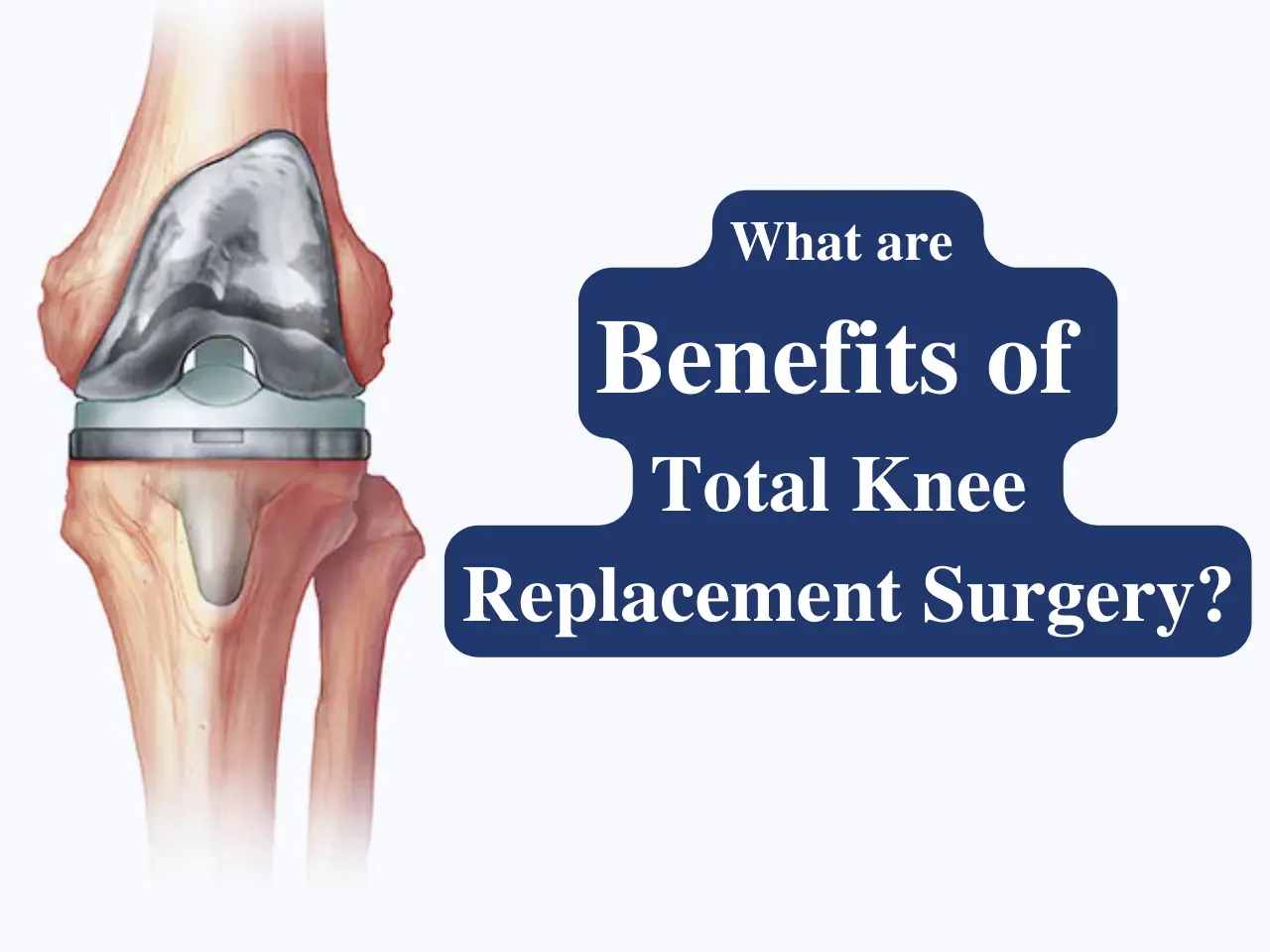
Not every gym-related knee injury leads directly to knee replacement surgery in Cheshire, but severe injuries can sometimes contribute to long-term joint damage.
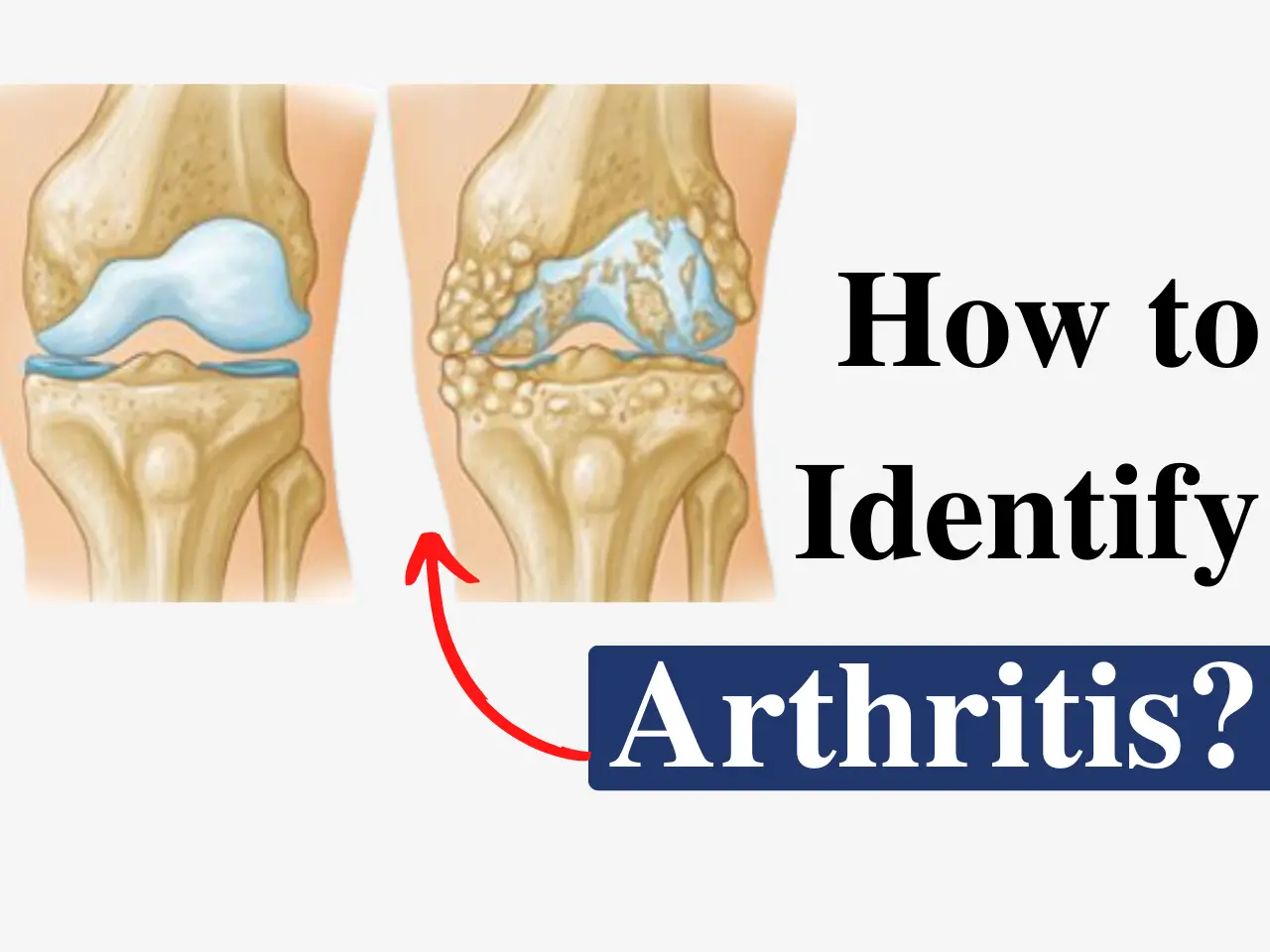
Repeated ligament injuries, meniscus damage, cartilage injuries, and untreated instability may increase the risk of developing osteoarthritis over time. Osteoarthritis can cause:
- Persistent knee pain
- Stiffness
- Swelling
- Reduced mobility
- Difficulty walking or exercising
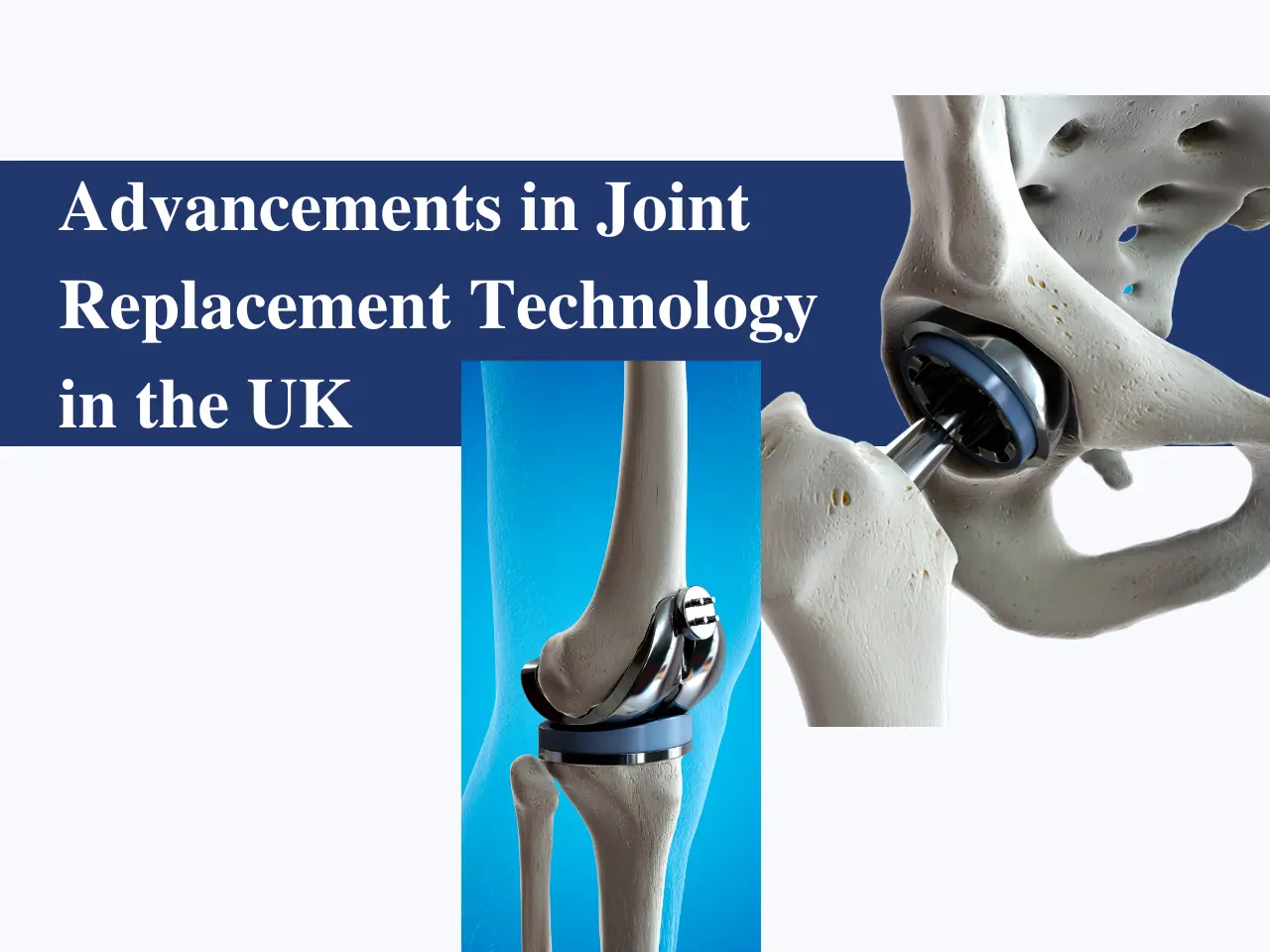
Knee replacement is generally considered only when significant arthritis causes persistent symptoms and non-surgical treatments no longer provide adequate relief. Maintaining a healthy weight, strengthening the muscles around the knee, and treating significant injuries appropriately can help protect long-term joint health.
7. How to Reduce the Risk of Gym Injuries
Many exercise-related injuries can be prevented by following sensible training practices.
Warm Up Properly
Spend several minutes warming up before intense exercise. Dynamic movements can prepare your muscles and joints for activity.
Use Correct Technique
Poor form can place excessive stress on joints, ligaments, and tendons. If you are unsure about an exercise, seek guidance from a qualified fitness professional.
Increase Training Gradually
Avoid suddenly increasing weights, repetitions, or workout duration. Your body needs time to adapt to increased physical demands.
Allow Adequate Recovery
Rest is an important part of training. Give muscles and joints sufficient time to recover between demanding workouts.
Don’t Ignore Persistent Pain
Normal muscle soreness usually improves with recovery. Sharp, persistent, or worsening joint pain should not be ignored.
When Should You See an Orthopaedic Specialist?
Not every gym injury requires surgery. However, professional assessment is recommended if you experience severe swelling, instability, persistent pain, restricted movement, repeated injuries, or difficulty putting weight on a joint.
An experienced orthopedic surgeon in Cheshire for sports injuries and joint problems can assess your symptoms, review imaging where necessary, and explain appropriate treatment options. Depending on the injury, treatment may include physiotherapy, medication, injections, activity modification, minimally invasive procedures, or surgery.
Get the Right Treatment for Gym-Related Injuries
Gym workouts can provide significant health benefits when performed safely, but injuries can occur when the body is exposed to excessive or inappropriate loads. ACL tears, meniscus injuries, rotator cuff tears, tendon ruptures, and shoulder instability are among the problems that may occasionally require surgical treatment.
The good news is that many injuries can be managed effectively when diagnosed early. If you are experiencing ongoing pain or difficulty returning to your normal activities, seeking specialist advice can help you understand your options.
For individuals looking for an orthopedic surgeon in Cheshire, UK, Dr. Nikhil Pradhan provides specialist orthopaedic care focused on diagnosing and treating a range of joint and sports-related conditions. Early evaluation and an appropriate rehabilitation plan can help you return to an active lifestyle while supporting your long-term joint health.
FAQs
- What gym injuries may require surgery?
Severe ACL tears, meniscus injuries, rotator cuff tears, shoulder instability, and tendon ruptures may require surgery when conservative treatments do not provide sufficient improvement. - When should I see an orthopedic surgeon for a gym injury?
You should consult an orthopedic surgeon in Cheshire, UK if you have persistent pain, significant swelling, joint instability, restricted movement, or difficulty returning to normal activities after a gym injury. - Can gym injuries lead to knee replacement surgery?
Severe or repeated knee injuries can contribute to cartilage damage and osteoarthritis over time. In advanced cases where pain and mobility problems persist despite non-surgical treatments, knee replacement surgery in Cheshire may be considered. - How can I prevent sports injuries at the gym?
You can reduce the risk of sports injuries by warming up properly, maintaining correct exercise technique, increasing workout intensity gradually, using appropriate weights, and allowing adequate recovery between sessions. - Can gym injuries heal without surgery?
Yes. Many gym injuries can improve with rest, activity modification, physiotherapy, medication, and rehabilitation. Surgery is generally considered when an injury is severe or symptoms continue despite appropriate non-surgical treatment.