By Mr. Nikhil Pradhan – Senior Orthopaedic Consultant, Specialist in Hip, Joint & Knee Surgery (30+ Years Experience)
The Question Most Patients Hesitate to Ask
One of the most common but least discussed questions patients have after surgery is: can you kneel after knee replacement?
While knee replacement surgery is highly successful at relieving pain and improving mobility, many people remain unsure about what daily movements are actually safe.
Kneeling, in particular, becomes a concern because it is part of everyday life—whether for prayer, household work, gardening, or simply playing with grandchildren.
Understanding life after knee replacement surgery is not just about walking without pain—it is also about regaining confidence in movement.
The honest truth is that kneeling may be possible for many patients, but comfort levels vary significantly from person to person.
Why Kneeling Matters in Daily Life After Surgery?
Common Activities That Require Kneeling
Kneeling is more important than most patients realise until they try to avoid it. It plays a role in:
- Cleaning or mopping floors
- Gardening activities
- Religious or cultural practices
- Playing with children or grandchildren
- Certain occupational tasks
Avoiding kneeling entirely can affect independence and quality of life.
Understanding Patient Concerns
Patients often hesitate to try kneeling due to:
- Fear of damaging the artificial joint
- Worry that pressure may loosen the implant
- Concerns about pain or instability
- Emotional hesitation and fear of kneeling after knee replacement
These concerns are valid, but many are based on myths rather than medical reality.
Can You Kneel After Knee Replacement? The Honest Medical Answer
Is Kneeling Possible After Total Knee Replacement?
A frequently asked question is: is kneeling possible after total knee replacement?
The honest answer is—yes, many patients can kneel after recovery. However, not everyone regains comfortable kneeling ability. This depends on:
- Surgical technique
- Type and positioning of the implant
- Muscle strength
- Scar sensitivity
- Individual healing response
Some patients can kneel normally, while others experience discomfort even years later.
What Surgeons Mean When They Say “You Can Try”
When surgeons say you may attempt kneeling, it usually means:
- The joint is medically stable
- The implant is secure
- There is no structural restriction
However, medical clearance does not always equal comfort. Functional ability and pain-free movement are different. Each patient’s recovery journey is unique.
Why Kneeling Hurts After Knee Replacement
Surgical and Anatomical Reasons
Patients often ask why kneeling hurts after knee replacement.
Common reasons include:
- Sensitivity around the surgical incision
- Scar tissue formation
- Altered nerve sensation
- Tight soft tissues around the joint
It is normal for the front of the knee to feel numb or sensitive for months or even longer.
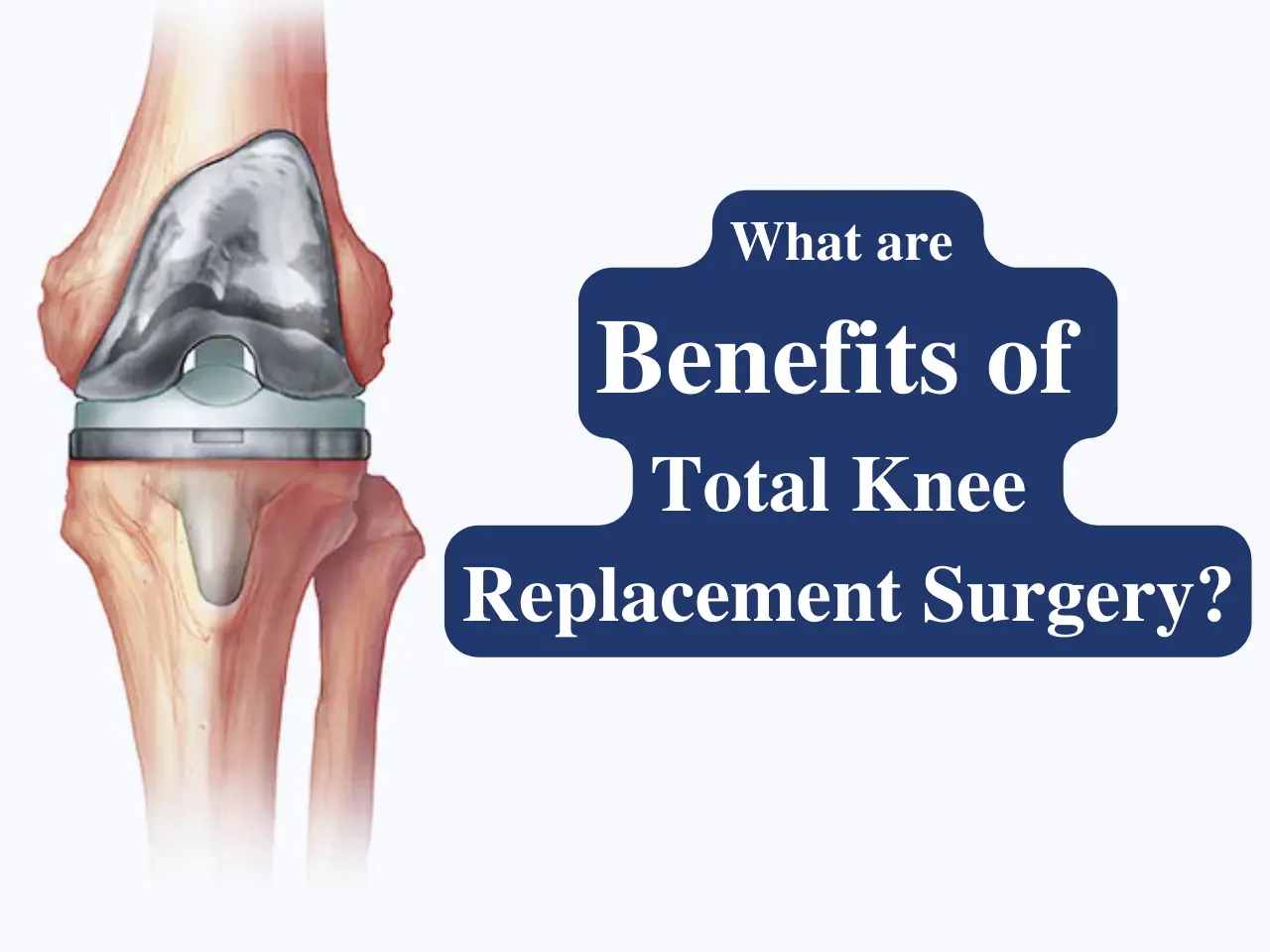
Role of the Knee Replacement Implant and Kneeling
The knee replacement implant and kneeling relationship is important to understand:
- The artificial joint changes how pressure is distributed
- The kneecap mechanics may feel different
- Direct pressure on the front of the knee can cause discomfort
This does not usually damage the implant—but it may feel unusual.
Common Causes of Kneeling Discomfort After Knee Surgery
Typical causes of kneeling discomfort after knee surgery include:
- Swelling
- Weak quadriceps muscles
- Changes in patellar tracking
- Skin numbness or hypersensitivity
Most of these improve gradually with rehabilitation.
How Long After Knee Replacement Can You Kneel?
Typical Recovery Timeline
Patients frequently ask how long after knee replacement can you kneel. Recovery usually progresses as follows:
0–3 Months
- Focus on healing
- Regaining range of motion
- Walking with support
3–6 Months
- Strength building
- Improved flexibility
- Reduced swelling
6–12 Months
- Gradual attempt at kneeling with guidance
- Improved confidence in movement
Factors That Influence Recovery
Recovery speed varies depending on:
- Age and general fitness
- Commitment to physiotherapy
- Body weight
- Pre-surgery joint function
Understanding Knee Replacement Recovery Limitations
It is important to accept some knee replacement recovery limitations:
- Not all movements return fully
- Deep flexion may remain restricted
- Comfort levels differ between patients
The primary goal of surgery is pain relief and functional mobility—not perfect joint movement.
Activities You Can’t Do After Knee Replacement (And What You Can Still Do)
Activities You May Need to Modify
There are certain activities you can’t do after knee replacement or should limit:
- Deep squatting
- High-impact sports like running or jumping
- Sudden twisting movements
- Prolonged kneeling on hard floors
These activities may increase wear on the implant.
Activities Usually Safe With Guidance
Most patients can safely enjoy:
- Walking
- Cycling
- Swimming
- Light strength exercises
The goal is an active but joint-friendly lifestyle.
Safe Kneeling Techniques After Knee Surgery
Step-by-Step Approach
Learning safe kneeling techniques after knee surgery can make a significant difference:
- Always use a soft cushion or padded surface
- Lower yourself slowly
- Use hands or support for balance
- Avoid sudden pressure on the operated knee
- Start with short durations
Physiotherapy Tips
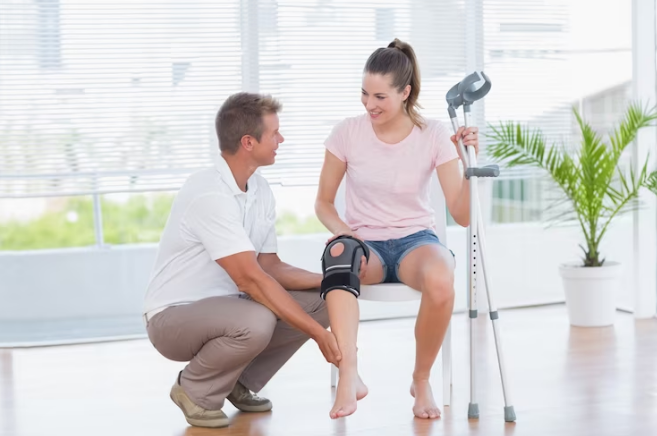
Physiotherapists often recommend:
- Strengthening the quadriceps
- Improving flexibility
- Gradual scar desensitisation
- Practising partial kneeling first
Proper technique often reduces discomfort significantly.
Overcoming the Fear of Kneeling After Knee Replacement
Psychological Barriers
The fear of kneeling after knee replacement is extremely common and often stronger than physical limitations.
Patients worry about:
- Damaging the implant
- Experiencing sharp pain
- Falling or losing balance
Building Confidence Safely
Confidence improves through:
- Supervised physiotherapy sessions
- Gradual exposure
- Education about implant strength
- Positive reinforcement
Understanding that modern implants are designed to tolerate daily activities helps reduce anxiety.
Patient Experience Kneeling After Knee Replacement
What Most Patients Report
Typical patient experience kneeling after knee replacement includes:
- Kneeling is possible but uncomfortable initially
- Sensitivity at the scar site
- Pressure feels different compared to the natural knee
Setting Realistic Expectations
Recovery outcomes vary:
- Some patients never kneel comfortably
- Others regain near-normal function
- Many adapt by using cushions or modified positions
Expectation management is essential for satisfaction after surgery.
Does Knee Replacement Affect Mobility Permanently?
What Improves After Surgery
Patients often see major improvements:
- Significant pain reduction
- Better walking ability
- Increased independence
- Improved quality of life after knee replacement surgery
What May Remain Limited
However, some limitations may persist:
- Deep knee bending
- High-impact sports
- Long-duration kneeling
So, does knee replacement affect mobility permanently?
In most cases, mobility improves greatly, but it may not return to pre-arthritis levels.
Surgeon Advice on Kneeling After Knee Replacement
Practical surgeon advice on kneeling after knee replacement includes:
- Do not attempt kneeling until cleared by your surgeon
- Start on soft surfaces
- Avoid forcing through sharp pain
- Continue strengthening exercises
- Attend regular follow-up appointments
Personalised guidance is essential because every knee replacement and recovery is different.
If discomfort persists, consulting a knee replacement surgeon in Cheshire or an experienced total knee replacement doctor in Cheshire ensures proper evaluation and tailored rehabilitation.
When to Seek Medical Review
Warning Signs
You should seek medical advice if you notice:
- Persistent swelling
- Sharp or worsening pain
- Instability
- Reduced range of motion
- Sudden change in function
Importance of Consulting a Specialist
Early assessment:
- Prevents complications
- Ensures implant stability
- Helps adjust rehabilitation plans
Specialist review is especially important if kneeling becomes increasingly painful instead of improving.
Conclusion – What Patients Should Really Remember
So, can you kneel after knee replacement?
For many patients, yes—but comfort varies.
Kneeling is often possible with time, rehabilitation, and the right technique. However, it may never feel exactly the same as before surgery.
The focus should remain on improved function, reduced pain, and a better quality of life after knee replacement surgery.
Patients should always discuss their recovery goals and activity expectations with an experienced orthopaedic specialist.
Consulting Mr. Nikhil Pradhan – Senior Orthopaedic Consultant, Specialist in Hip, Joint & Knee Surgery with 30+ years of experience in Cheshire, can help patients better understand post-surgery recovery, including activities such as kneeling after knee replacement.
His expertise in joint replacement procedures helps ensure patients receive personalised guidance, realistic expectations, and the best possible long-term outcomes.
Open communication with your orthopaedic specialist helps set realistic expectations and improves long-term satisfaction with the outcome.
FAQs
Can you kneel after knee replacement surgery safely?
Yes, many patients can kneel safely once healing is complete and the surgeon has given clearance. Using cushioning and proper technique helps reduce discomfort.
Why does kneeling hurt after knee replacement?
Why kneeling hurts after knee replacement is usually due to scar sensitivity, nerve changes, soft tissue tightness, or pressure on the front of the knee rather than damage to the implant.
How long after knee replacement can you kneel comfortably?
Most patients can attempt kneeling between 6–12 months after surgery, though comfort may continue improving for up to a year or longer.
Is kneeling possible after total knee replacement for everyone?
Is kneeling possible after total knee replacement for many patients, but not all regain comfortable kneeling. Individual anatomy, recovery, and rehabilitation influence outcomes.
Does knee replacement affect mobility permanently?
In most cases, mobility improves significantly after surgery, but deep bending and high-impact activities may remain limited.
What are the safest kneeling techniques after knee surgery?
Safe kneeling techniques after knee surgery include using a soft surface, lowering slowly, distributing weight through the hands, and avoiding sudden pressure on the operated knee.
Should I avoid kneeling completely after knee replacement?
Not necessarily. With proper recovery and guidance from a knee replacement surgeon in Cheshire or an experienced total knee replacement doctor in Cheshire, many patients can safely return to modified kneeling activities.