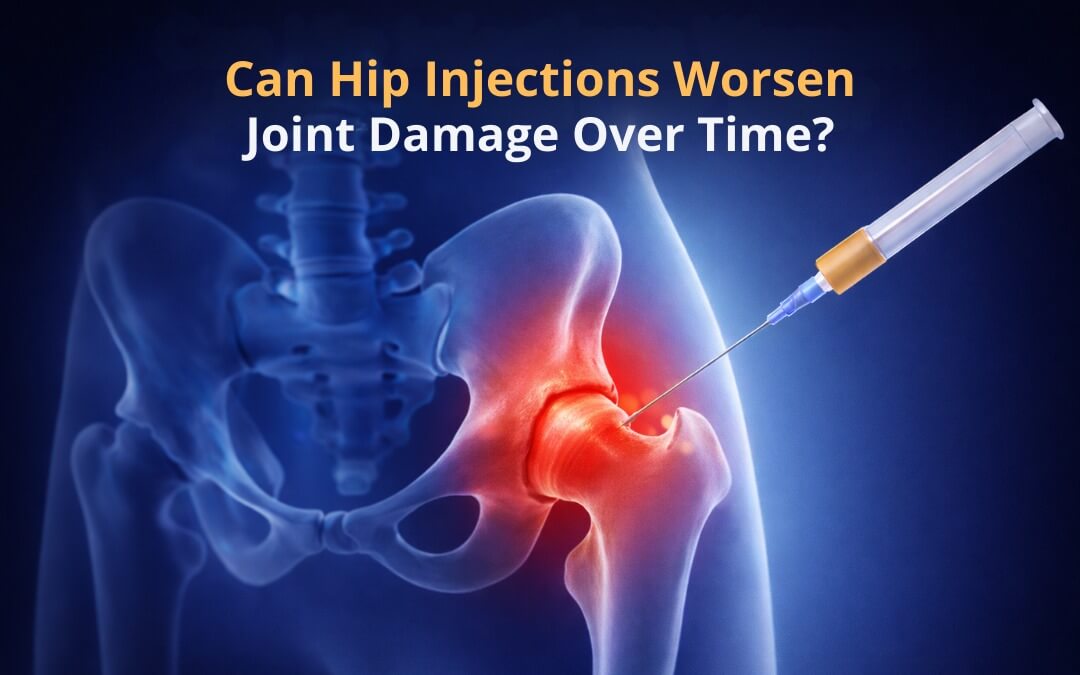
Hip pain can significantly affect your mobility, sleep, and overall quality of life. Many patients struggling with arthritis, inflammation, or joint degeneration turn to hip joint injections for pain relief in Cheshire as a non-surgical solution.
While these treatments are widely used and often effective, a common concern patients raise is: can hip injections worsen joint damage over time?
This article provides clear, evidence-based insights along with practical doctor advice on hip injections, helping address common patient concerns about hip injections and guiding you toward informed decisions about your hip health.
Understanding Hip Joint Injections
What Are Hip Injections?
Hip injections are minimally invasive treatments designed to reduce inflammation, relieve pain, and improve joint movement.
They are commonly recommended when medications, physiotherapy, and lifestyle changes do not provide sufficient relief.
Specialists offering hip joint injections treatment in Cheshire, such as Mr. Nikhil Pradhan, use these injections as part of a structured, patient-focused pain management plan.
These injections can:
- Reduce inflammation within the hip joint
- Improve mobility and function
- Provide temporary or medium-term pain relief
- Help delay or avoid surgery in suitable cases
Types of Hip Injections Used in Orthopaedics
Different types of injections are used depending on the underlying condition:
- Corticosteroid (cortisone) injections – Reduce inflammation and pain quickly
- Hyaluronic acid injections – Improve joint lubrication
- Platelet-Rich Plasma (PRP) – Support healing and tissue regeneration
- Local anaesthetic injections – Used for diagnostic or short-term relief
Each option has different benefits, risks, and expected outcomes.
Conditions Commonly Treated with Hip Injections
Hip injections are often recommended for:
- Hip osteoarthritis
- Bursitis
- Labral inflammation
- Tendinitis
- Early degenerative joint disease
They are especially useful for patients who want to delay surgery or are not suitable surgical candidates.
Why Patients Worry About Hip Injections
Common Patient Concerns About Hip Injections
Many people hesitate before treatment due to fear of long-term damage. Frequent questions include:
- Are hip injections safe long term?
- Can hip injections speed up arthritis?
- Do steroid injections damage hip cartilage?
- What are the possible hip injections side effects?
These concerns are valid and should always be discussed openly with your specialist.
Addressing “What Doctors Don’t Tell You About Hip Injections”
There is often misinformation online about what doctors don’t tell you about hip injections. In reality, responsible specialists always explain:
- Injections are not a permanent cure
- Pain relief duration varies between patients
- Repeated injections may not always be advisable
- They work best as part of a complete treatment plan including physiotherapy and lifestyle modification
Transparency helps patients make confident decisions.
Can Hip Injections Worsen Joint Damage Over Time?
What Current Medical Research Suggests
Research shows that occasional injections are generally safe when used appropriately. However, excessive or frequent use may increase certain risks.
So, can hip injections worsen joint damage?
In most cases, when administered at proper intervals and for the right indications, they do not cause significant harm. Problems typically arise only with overuse or incorrect application.
Regular monitoring of joint health is essential.
Understanding Joint Damage from Cortisone Injections
There is some evidence suggesting that repeated or high-dose steroid injections may contribute to:
- Cartilage thinning
- Tissue weakening
- Reduced joint resilience
This is why specialists carefully evaluate the necessity and timing of each injection to minimize the possibility of joint damage from cortisone injections.
Can Hip Arthritis Injections Cause Damage?
There is ongoing debate around hip arthritis injections damage. Most modern studies suggest:
- Occasional injections are safe
- Risks increase with frequent repetition
- Individual factors influence outcomes
In some situations, repeated hip injections cartilage loss may occur, but this is uncommon when treatment is properly managed.
Long Term Effects of Hip Injections
Possible Long Term Effects of Hip Injections
The long term effects of hip injections depend on frequency, dosage, and patient condition.
Potential concerns include:
- Reduced effectiveness over time
- Temporary cartilage thinning in rare cases
- Masking progression of arthritis
This is why injections should never be the only treatment strategy.
Do Steroid Injections Damage Hip Cartilage?
A common question is: do steroid injections damage hip cartilage?
Steroids reduce inflammation effectively, but excessive use may:
- Affect cartilage metabolism
- Reduce tissue strength
- Increase degeneration risk
When used responsibly and sparingly, these risks remain low.
Can Hip Injections Speed Up Arthritis?
Some patients ask whether can hip injections speed up arthritis progression.
Current evidence suggests:
- Injections themselves do not directly cause arthritis
- Overuse may accelerate degeneration in certain cases
- Lifestyle factors and disease severity play a bigger role
Hip Injection Risks and Complications
Common Hip Injection Risks and Complications
Like any medical procedure, there are possible hip injection risks and complications, including:
- Temporary pain flare
- Mild swelling
- Local discomfort
These usually resolve quickly.
Cortisone Injection Hip Risks
Specific cortisone injection hip risks may include:
- Cartilage weakening with repeated use
- Tendon irritation
- Temporary increase in blood sugar levels
Patients with diabetes require careful monitoring.
Recognising Serious Hip Injections Side Effects
Seek medical advice if you experience:
- Persistent swelling
- Fever
- Redness or warmth
- Increasing pain instead of relief
These may indicate infection or adverse reaction, though such events are rare.
How Often Can You Get Hip Injections Safely?
Recommended Frequency Guidelines
Patients often ask: how often can you get hip injections?
Typical guidance:
- Limited number per year
- Usually spaced several months apart
- Individualised based on symptoms and imaging findings
Why Repeated Hip Injections May Increase Risk
Frequent injections may lead to:
- Reduced effectiveness
- Possible repeated hip injections cartilage loss
- Increased structural stress on the joint
Importance of Specialist Evaluation
Receiving treatment from an experienced orthopaedic specialist ensures:
- Image-guided precision
- Correct dosage
- Ongoing monitoring
- Safer long-term outcomes
Are Hip Injections Safe Long Term?
When Hip Injections Are Considered Safe
Are hip injections safe long term?
Yes—when:
- Used selectively
- Combined with physiotherapy
- Part of a comprehensive care plan
Factors That Improve Safety
Safety improves with:
- Accurate diagnosis
- Controlled frequency
- Experienced clinician
- Patient adherence to rehab plans
Balancing Benefits vs Risks
Benefits include:
- Pain relief
- Improved mobility
- Delay of surgery
Risks increase mainly with overuse.
Alternatives to Hip Injections for Arthritis
Non-Surgical Treatment Options
Alternatives to hip injections for arthritis include:
- Physiotherapy
- Strengthening exercises
- Weight management
- Anti-inflammatory medications
- Activity modification
Advanced Alternatives
- PRP therapy
- Shockwave therapy
- Regenerative medicine approaches
When Surgery May Be Considered
Surgery becomes an option when:
- Severe cartilage loss exists
- Pain persists despite conservative care
- Mobility is significantly affected
Doctor Advice on Hip Injections from Mr. Nikhil Pradhan
Patient-Centred Approach to Hip Pain Management
Mr. Nikhil Pradhan focuses on:
- Individualised treatment plans
- Thorough assessment before recommending injections
- Long-term joint preservation
When Hip Injections Are the Right Choice
They are most beneficial for:
- Moderate arthritis
- Acute inflammation
- Patients not ready for surgery
Importance of Expert-Led Care
Receiving hip joint injections treatment in Cheshire from a specialist ensures:
- Accurate placement
- Reduced complication risk
- Better pain relief outcomes
When Should You See a Specialist for Hip Pain?
Warning Signs That Need Medical Evaluation
- Persistent stiffness
- Night pain
- Reduced range of motion
- Difficulty walking
Early Treatment Improves Outcomes
Early care can:
- Slow degeneration
- Preserve joint function
- Improve quality of life
Conclusion
So, can hip injections worsen joint damage?
In most cases, hip injections are safe and effective when used appropriately. However, excessive or poorly timed injections may increase the risk of hip injection risks and complications, including potential cartilage effects.
Understanding the long term effects of hip injections, discussing cortisone injection hip risks, and following expert doctor advice on hip injections helps ensure the best outcomes.
For patients experiencing ongoing discomfort, consulting Mr. Nikhil Pradhan – Senior Orthopaedic Consultant, Specialist in Hip, Joint & Knee Surgery with 30+ years of experience in Cheshire can help determine whether hip injections are the right treatment option.
His expertise in managing joint conditions and providing expert-led hip joint injections for pain relief in Cheshire helps patients achieve effective pain relief while protecting long-term joint health.
FAQs
Are hip injections safe long term?
Yes, when used occasionally and under specialist supervision, hip injections are generally safe. Risks increase mainly with frequent or unnecessary use.
Can hip injections worsen joint damage?
There is limited evidence that properly administered injections cause harm. However, repeated or high-dose injections may increase the risk of joint changes.
Do steroid injections damage hip cartilage?
Occasional steroid injections are unlikely to cause significant damage, but excessive use may affect cartilage health over time.
How often can you get hip injections?
Most specialists recommend limiting injections and spacing them several months apart, depending on symptoms and joint condition.
Can hip injections speed up arthritis?
Injections themselves do not usually cause arthritis progression, but overuse may contribute to degeneration in some cases.
What are the common hip injections side effects?
Typical hip injections side effects include temporary soreness, mild swelling, or a short-term pain flare.
What are alternatives to hip injections for arthritis?
Alternatives to hip injections for arthritis include physiotherapy, weight management, medications, PRP therapy, and in advanced cases, surgery.
When should I see a specialist for hip pain?
If pain persists, limits mobility, disturbs sleep, or worsens despite rest, it’s important to consult an orthopaedic expert for evaluation and personalised treatment.